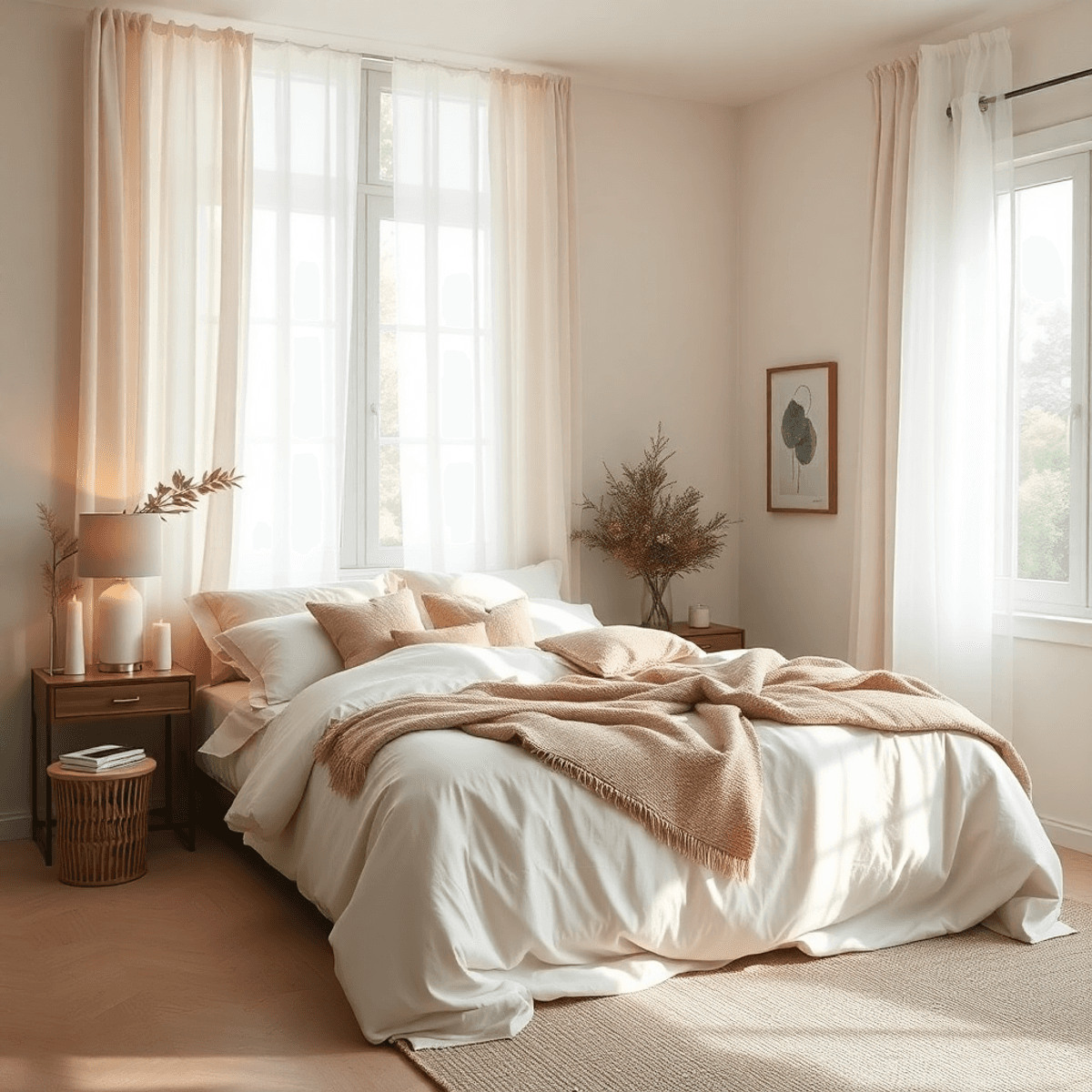
What “Slow Living” Looks Like in a Bedroom
Slow living gets talked about like it’s a whole personality. But in real life it’s way simpler. It’s less rush. More presence. Fewer but better choices. It’s doing things at a pace your body can actually handle, and setting up your home so it doesn’t constantly ask you to perform.
And your bedroom is kind of the headquarters for that.
It’s where your day starts, and where it ends. It’s where your nervous system either finally unclenches… or stays on duty all night. Sleep quality, mood, hormones, anxiety levels, even how patient you feel in the morning. It all gets influenced here. Which is why a slow living lifestyle in the bedroom isn’t just aesthetic. It’s practical.
So when I say “soft bedroom design”, I’m really talking about three kinds of soft stuff going on.
Soft bedroom design basically has three types of softness.
First, there’s visual softness. That means gentle colors, low contrast, and not a lot of sharp or harsh lines that scream for attention. Nothing too loud for your eyes.
Then there’s tactile softness. That’s the kind of softness you actually feel. Things like cozy linens, quilts, rugs, and comfy upholstery that make you want to touch everything and just relax.
And finally, sensory softness. This is more about the overall vibe. Lighting that doesn’t glare in your face, sounds that are soft and muted instead of echoing around the room, and scents that stay subtle instead of super strong or overpowering.
Also, this is not about expensive makeovers. You don’t need a new bed frame and a designer chandelier to feel calm. Most of the time it’s the opposite. It’s editing. It’s removing a few things. It’s setting up simple calming room ideas that make rest feel natural again. Start today by decluttering one corner of your bedroom or swapping out harsh lighting for something softer, small changes can lead to big transformations in your slow living sanctuary.
Start With the Feeling: Choose a “Soft + Slow” Bedroom Intention
Before you buy anything, pick your intention by choosing two or three words and writing them down. For example, you might choose calm, airy, grounded, romantic, cozy, quiet, clean, warm, minimal or soft, feminine, quiet luxury. This simple step embodies the slow living principle that helps you avoid clutter and impulse buys because when you’re in a store holding a trendy pillow, your intention will remind you if it doesn’t align and encourage you to put it back. To guide yourself further, consider what currently keeps you awake, whether it’s light, mess, noise, or heat and identify what feels visually loud in your room. Also reflect on which textures instantly calm you down, like crisp sheets, a heavy quilt, or soft knits.
Then pick your main thing, like just one top priority. Is it better sleep, a peaceful morning routine, or a cozy wind down ritual ? Just choose one for now. You can always add the rest later, but starting with one priority makes the whole thing feel slower and more doable, you know, not so overwhelming.
Color Palette: The Easiest Way to Create a Calming, Relaxing Bedroom
If you want the fastest shift toward a relaxing bedroom, look at color first. Especially contrast.
High contrast rooms can be beautiful, but they tend to read as more energetic. More visual noise. Muted, low contrast palettes feel calmer because your brain has less to “solve” when you walk in. It just settles.
Soft bedroom palettes that work in almost any home include warm whites, creams, and oatmeal, blush beige and soft taupe, clay and muted terracotta, muted sage and soft olive; as well as dusty lavender and greyed lilac. A quick note on undertones is important because this is where many people get frustrated and give up. Consider what you already have, warm floors such as honey oak or warm beige carpet usually pair best with warm whites and warm neutrals, while cool floors like grey wood or cool tile tend to suit cool whites or greige. If your furniture remains in place, let it guide the color direction, as fighting undertones often results in bedrooms feeling “off” even when everything looks pretty.
To use color for maximum impact in a slow living bedroom, focus on key areas such as the walls for a significant change if you’re open to painting, bedding for a quick and easy refresh without long term commitment, curtains since they occupy a large visual space, and one accent piece like a pillow, throw, or small artwork. It’s important not to overdo it slow living bedrooms don’t require color everywhere. The idea is to create a gentle whisper of color rather than a bold shout.
Lighting for Slow Evenings: Layered, Warm, and Gentle
Overhead lights are basically the enemy of slow evenings. They’re harsh, they flatten the room, and they make bedtime feel like a hospital waiting area.
The solution is layered lighting, providing you with various options. A simple three-layer plan includes ambient lighting such as soft lamps like bedside lamps or a small floor lamp, task lighting such as a reading light or wall sconce for reading in bed, and accent lighting like candles, LED candles, salt lamps, or a tiny picture light.
Daylight is part of slow living too. Use sheer curtains to diffuse light so mornings feel gentle.
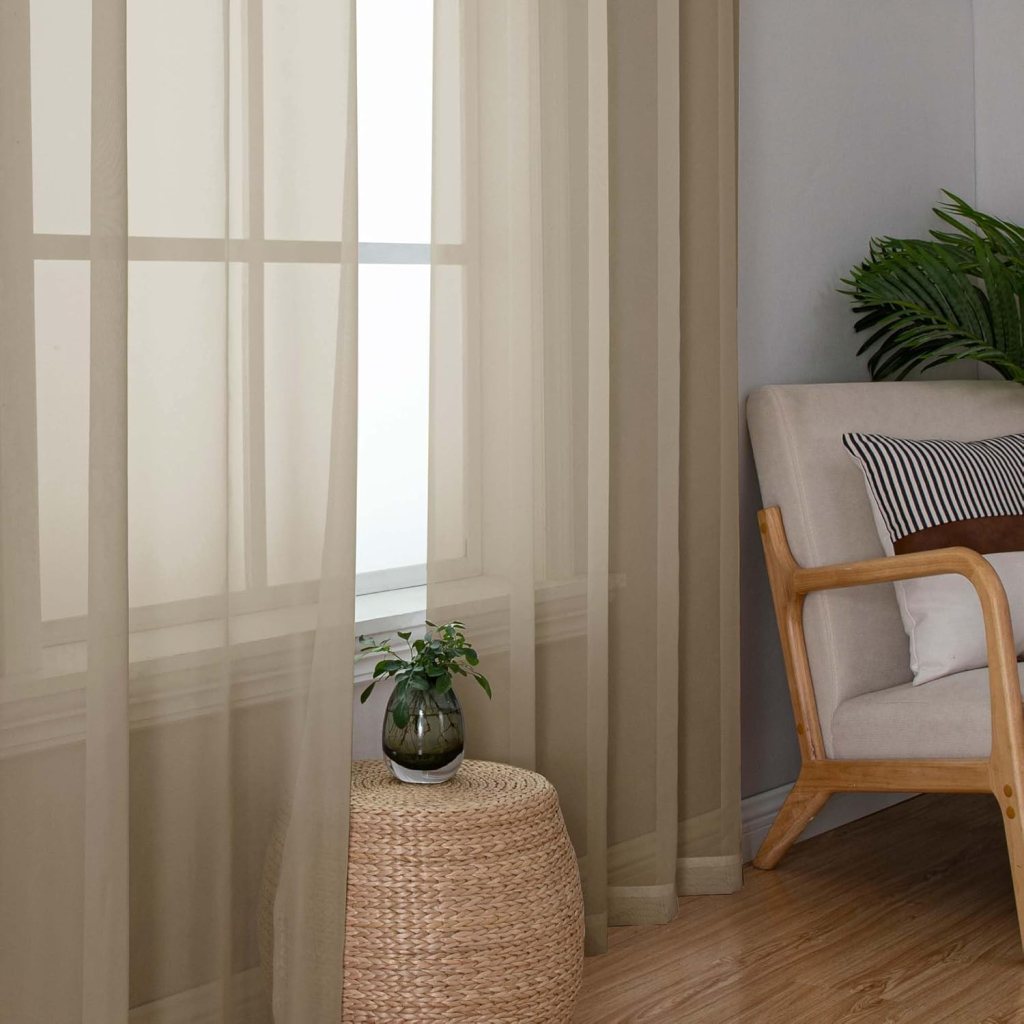
Then add a blackout option if you need it for sleep, but try not to make the room heavy and cave like during the day. There’s a balance. If you want a feminine touch without fussy details, consider matching bedside lamps with soft pleated shades and warm metals like brushed brass or soft gold. Glass bases, ceramic bases, or anything with a softer silhouette works beautifully.
Bedding That Feels Like a Deep Exhale (Textures Matter More Than Trends)
Slow lifestyle design says invest in the touchpoints you use every single day. And nothing gets more contact than bedding.
You don’t need a million decorative pillows. But you do want textures that make you breathe out the second you get into bed.
A “soft bedroom” texture stack that usually feels amazing includes sheets made of washed linen or crisp percale, where percale is cooler and smooth while linen feels relaxed and cozy.

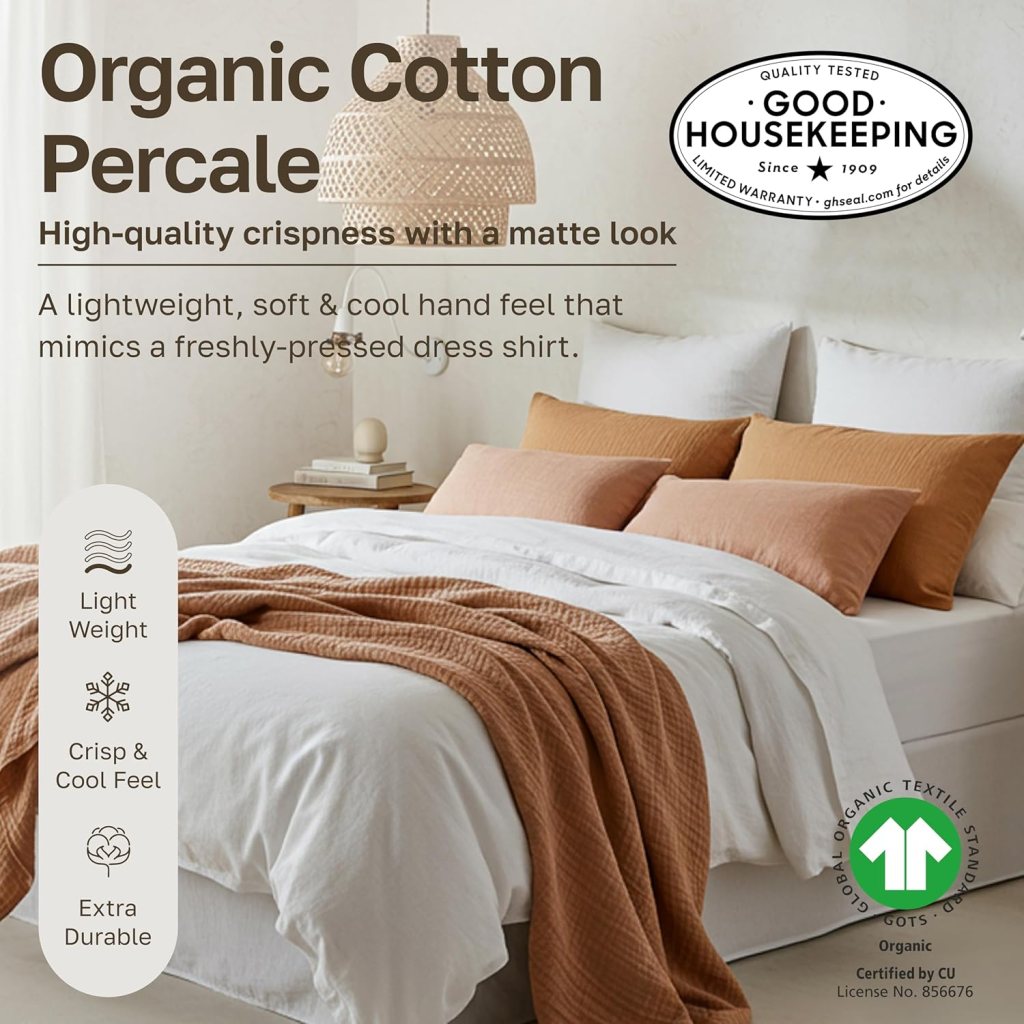
The duvet should be fluffy rather than flat, and even a budget duvet insert can feel luxurious if the cover is nice. Adding a quilt or coverlet contributes weight and creates that layered, calm look.

A throw blanket made of knit, brushed cotton, or mohair-style material adds a fuzzy, comforting feel if you enjoy that texture.
For pillows, a practical yet pretty strategy includes having two sleeping pillows you genuinely love, along with one to two soft “leaning” pillows for reading or scrolling. An optional lumbar pillow can be added if it makes you happy, but not simply because it’s trendy on Instagram.
Keep patterns minimal. Solids are easiest. Subtle stripes. Tiny florals. Anything that reads soft from across the room. Busy prints can be cute, but they don’t always support calming bedroom ideas, especially if you’re already stressed.
Simple pairing examples include cream linen sheets with a taupe knit throw and a warm white duvet, a blush coverlet combined with a warm white duvet and light oak accents, or oatmeal bedding paired with muted sage pillows and natural linen curtains.
Declutter the Slow Living Way: Calm Surfaces, Clear Floors, Easy Maintenance
There’s regular clutter, and then there’s visual clutter. Visual clutter is what makes your brain feel busy even if the room isn’t technically messy. Too many items on display, too many little piles, too many decisions.
Slow living is about reducing decision fatigue, and your bedroom should be a space where your eyes can rest without bouncing from object to object. To achieve this, keep your nightstand reset simple by including only essentials such as a lamp, a book or Kindle, water, and hand cream.
Adding one beautiful object, like a small dish or a single bud vase, can enhance the calm atmosphere without creating clutter.
That’s it. If you need meds or a charger, keep them in a drawer or a lidded box.
Closet and laundry flow honestly matters more than a lot of decor tips people talk about. Using a hamper with a lid gives you this instant visual calm, like the mess is just hidden away for a bit. Having one dedicated “in-between” hook for clothes you can re-wear really helps keep things in order too, instead of just throwing stuff on a chair or the floor.
A simple basket system is usually better than having like ten tiny organizers that you forget about anyway. Under bed storage is fine, it really is, but try to be picky with it. Save that space for seasonal items or extra linens only and use matching bins so the whole thing feels quiet and pulled together instead of looking totally chaotic.
And the sustainable part here is real. Fewer organizers, more removing. You don’t need to buy your way out of clutter. You need less.
Furniture Layout for a Relaxing Bedroom. Give Yourself More Space to Breathe
Layout is underrated. You can have the prettiest bedding in the world and still feel weird in the room because you’re squeezing past a chair and a basket and a random table.
Prioritize open pathways and embrace symmetry in a relaxed way to help your eyes rest. When placing the bed, try to position it against an anchor wall if possible, ensure there is access on both sides for a calmer, more mature feel, and avoid blocking windows since natural light contributes to the mood.
If space allows, create a “slow corner” with a small chair, a tiny side table, and an item like a book, journal, or cup of tea.
This space turns slow living into reality, not just a pretty bed but an area where you can sit quietly and breathe for five minutes.
Try fewer, larger pieces instead of many small ones. Lots of small furniture reads busy. One solid dresser and two simple nightstands usually looks calmer than a mix of tiny shelves, carts, and random stools.
For small bedrooms that still feel soft and feminine, consider using floating shelves as nightstands and wall sconces to free up surface space.
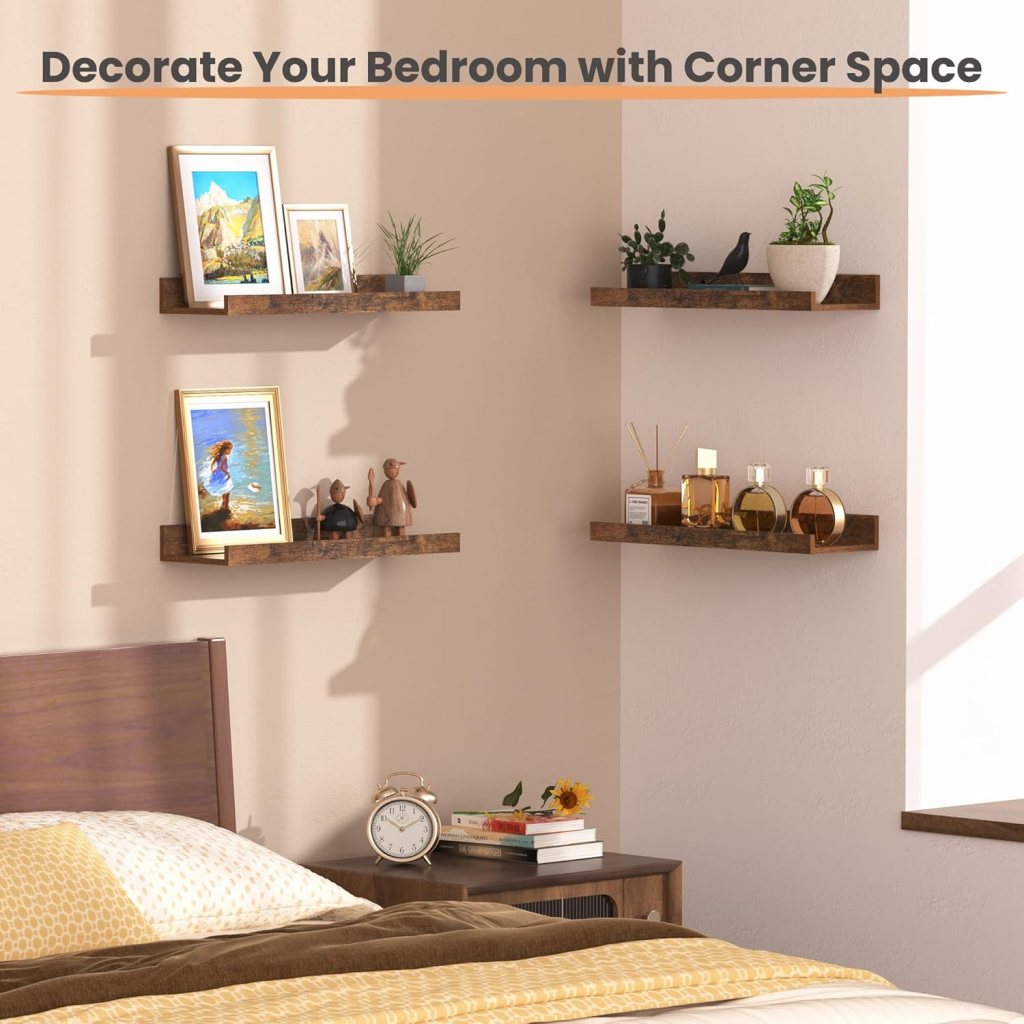
Opt for lighter visual furniture with legs or slim frames to keep the room feeling open. Adding a tall mirror can help bounce light around but be careful not to overdo the reflective elements.
Soft Bedroom Materials: Natural, Quiet, and Comforting
Slow life design leans natural for a reason, as natural materials tend to look quieter and feel better to live with. Go to materials for a soft bedroom include cotton, linen, wool, wood, rattan, ceramic, stone, and brushed metals. To soften hard lines, incorporate rounded shapes such as an arched mirror, a curved lamp base, rounded nightstand edges, or an upholstered headboard. Boucle or brushed fabrics are also great choices if you love that cozy look.
Rug strategy is pretty simple honestly. A medium pile rug or a wool blend makes the room feel warmer and kind of softens the sound too, which is nice. And yeah, size really matters here.
Ideally, the rug should extend past the sides of your bed so you’re not stepping straight onto a cold floor first thing in the morning. That feeling sucks. You really want that softness underfoot when you get up. It seems like a tiny thing, just this small daily luxury, but it actually does affect your mood more than you’d think.
Curtains should always be full length if possible, as this instantly makes the room feel softer. Choosing a heavier drape creates a cozy and cocoon like atmosphere, while linen offers an airy calm. It is also important to limit shiny and loud materials because too much gloss, plastic, or mirror finishes can make the bedroom feel a little frantic. Instead, aim for gentle textures and finishes.
A “Relaxing Bedroom” Should Sound and Smell Calm Too
Many people focus solely on visuals when designing a room, but your body experiences the space through all senses. Sound is especially important, soft textiles help reduce echo. If your room feels hollow, consider adding a rug, curtains, an upholstered headboard, or even a fabric wall hanging if that suits your style.
For additional calm, you might use tools like a white noise machine or a small fan, and perhaps create a wind down playlist reserved only for nighttime to enhance relaxation.

Scent. Keep it light. One signature scent beats a bunch of competing fragrances.
Consider using a linen spray on your bedding in the morning, especially if you are sensitive to scents at night, or an essential oil diffuser if you tolerate it well.

Lighting a candle during your pre-sleep routine can also enhance relaxation,but be sure to extinguish it before bed. Maintaining good air quality is an important part of slow living, so make it a habit to open a window daily for a few minutes and wash your bedding regularly.
Adding one low-maintenance plant, such as a snake plant or pothos, can also contribute to a calming bedroom environment.
A Simple Soft Bedroom Blueprint From Cheapest to Biggest Upgrade
If you want this process to feel slow and non-overwhelming, take it step by step rather than trying to do everything at once or rushing through it in a frantic weekend. Start by decluttering the space, then focus on improving the lighting, followed by updating your bedding. After that, consider adding curtains and a rug, then painting the walls, and finally making any necessary furniture swaps. Budget wise, there are sensible tiers to consider, under $100 might cover warm bulbs, a linen spray, a soft throw, a dimmable lamp switch, or a tray for your nightstand; under $300 could get you bedside lamps, a new sheet set, or better pillows. For bigger upgrades, think about painting the room, investing in a good rug, an upholstered headboard, or replacing any bulky furniture pieces that disrupt the room’s flow.
One change at a time is the slow living way. It also helps you avoid fast consumption decorating, where you buy five things and still don’t feel settled.
Because the goal is not a perfect room. It’s a relaxing bedroom that supports your slow life every day. A space that feels like a deep exhale. A place you actually want to come back to, even when the rest of life is loud.
Start today by choosing just one small change, whether it’s swapping your lighting or clearing a surface and experience the calm it brings. Your slow, soothing bedroom awaits.

 Lunara Studio
Leave a comment