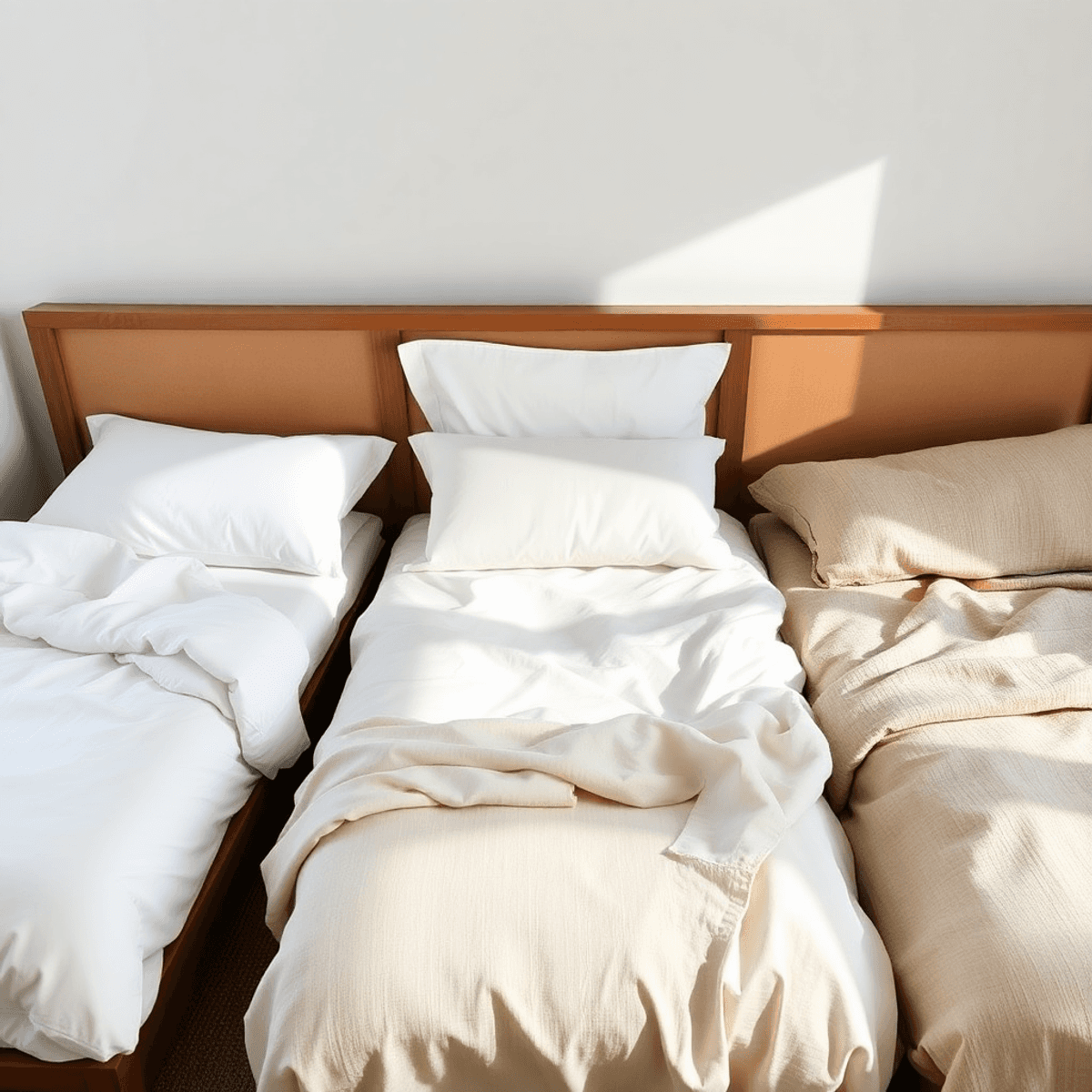
Why your sheets feel “wrong” even when they’re expensive
If you’ve ever bought a “premium” sheet set, washed it, made the bed, slid in… and still thought, “Why does this feel off?” you’re not alone.
Most people shop for sheets the same way they shop for a phone charger. Higher number, higher price, must be better. So they chase thread count, “luxury” labels, and whatever is on sale. The problem is, comfort is not mostly about thread count. It’s mostly about two things, the fiber and the weave.
Here’s the part that surprises people, the same cotton can feel crisp and cool, or smooth and cozy, depending on the weave. Cotton percale and cotton sateen can both be 100% cotton, and still feel like totally different products the second you touch them.
Then there’s linen, which is its own category. It’s a different fiber and it behaves differently on your skin and with temperature. Linen can feel a bit textured at first, then turns into that “I never want to sleep on anything else” softness over time.
So in this guide, we’re comparing percale vs sateen vs linen in a way that actually helps you pick what’s best for better sleep, based on your climate, your body temperature, and even your skin. Ready to find the perfect sheets that will transform your nights? Dive in and choose the best fit for your ultimate comfort and restful sleep!
First, the basics that actually matter and what to ignore
Let’s clear up the most confusing part, weave type vs fiber.
Cotton percale and cotton sateen are usually the same fiber (cotton), just woven differently. That weave is what changes the feel, the airflow, the drape, and even how the sheets wear over time.
Linen is different because it’s flax fiber. Most linen sheets are woven in a simple plain weave, but the yarn itself is thicker and more textured, so it feels different no matter what.
Now about thread count, because it’s the metric that refuses to die. Thread count is not useless, but it’s a weak signal across different weaves. A percale sheet with a moderate thread count can feel amazing and breathable, while a very high thread count sateen can feel heavy, sleep warmer, and sometimes pill faster.
Also, high thread count can be inflated using multi ply yarns. That can mean a heavier fabric that looks impressive on a label, but doesn’t necessarily feel better or last longer.
If you want better signals than thread count, look at these:
Long-staple cotton. This is a big one for cotton sheets. Long-staple fibers can be spun into smoother, stronger yarns, which usually means softer sheets with less pilling over time. Names like Pima and Supima often point in the right direction, but “Egyptian cotton” is only meaningful when it’s verified and not just marketing.
GSM for linen. Linen is often better judged by fabric weight, usually listed as GSM (grams per square meter). Higher GSM generally means thicker, heavier linen. Lower GSM is lighter and airier.
Finishes and treatments. Mercerization can add luster and strength. Some brands use softeners to make sheets feel amazing out of the package, but heavy chemical softening can reduce breathability and can leave buildup that changes the feel after a few washes.
Certifications. If you have sensitive skin, this matters more than most people think. OEKO-TEX is a common certification that signals the fabric has been tested for harmful substances. GOTS is another one you might see on organic cotton. No certification doesn’t automatically mean bad, but seeing one is a plus, especially if you react to dyes, fragrances, or finishes.
With that foundation, choosing between percale, sateen, and linen becomes way easier.
Percale sheets, crisp, breathable, and “cool sleep” friendly
Percale is a plain weave, typically a simple one-over-one pattern. That creates a fabric that feels structured, matte, and breathable. It’s the kind of sheet that feels fresh when you slide into bed, not slick or clingy.
How percale feels is pretty consistent: crisp, light, and “clean.” Some people describe new percale as slightly starchy, especially right out of the package. That usually softens after a few washes, and good percale gets better over time instead of falling apart.
What you want to avoid is percale that’s too thin. That “papery” feeling is usually a sign the fabric is lightweight in a bad way, and it can lead to faster wear. A good percale should feel smooth and tightly woven, not flimsy.
Little construction details can also signal quality. Deep pockets that actually match your mattress depth matter. Strong elastic that doesn’t twist after two washes matters. Envelope pillow closures are a small touch, but they often show the brand paid attention to the whole set.
Care is also part of making percale cozy. Percale can go from crisp to comfortable without losing that cool feel, but you have to be a little careful with how you wash it. Warm wash is usually fine. Skip heavy fabric softeners since they can coat the fibers and reduce breathability. If percale ever feels too harsh, try line drying or using low heat and pulling them out before they’re bone-dry.
How to shop for the best percale sheets (without getting fooled)
For percale, you don’t need to chase extreme thread counts. In real life, a practical thread count range is usually somewhere in the mid zone, not the “I can’t believe this number fits on the package” zone. If you’re staring at something like 800 or 1000 thread count percale, be skeptical and look for how they’re counting threads and whether it’s multi-ply.
Instead, prioritize long-staple cotton and reputable construction. Verified Supima or a well-known Pima source is often a better bet than a big thread count number.
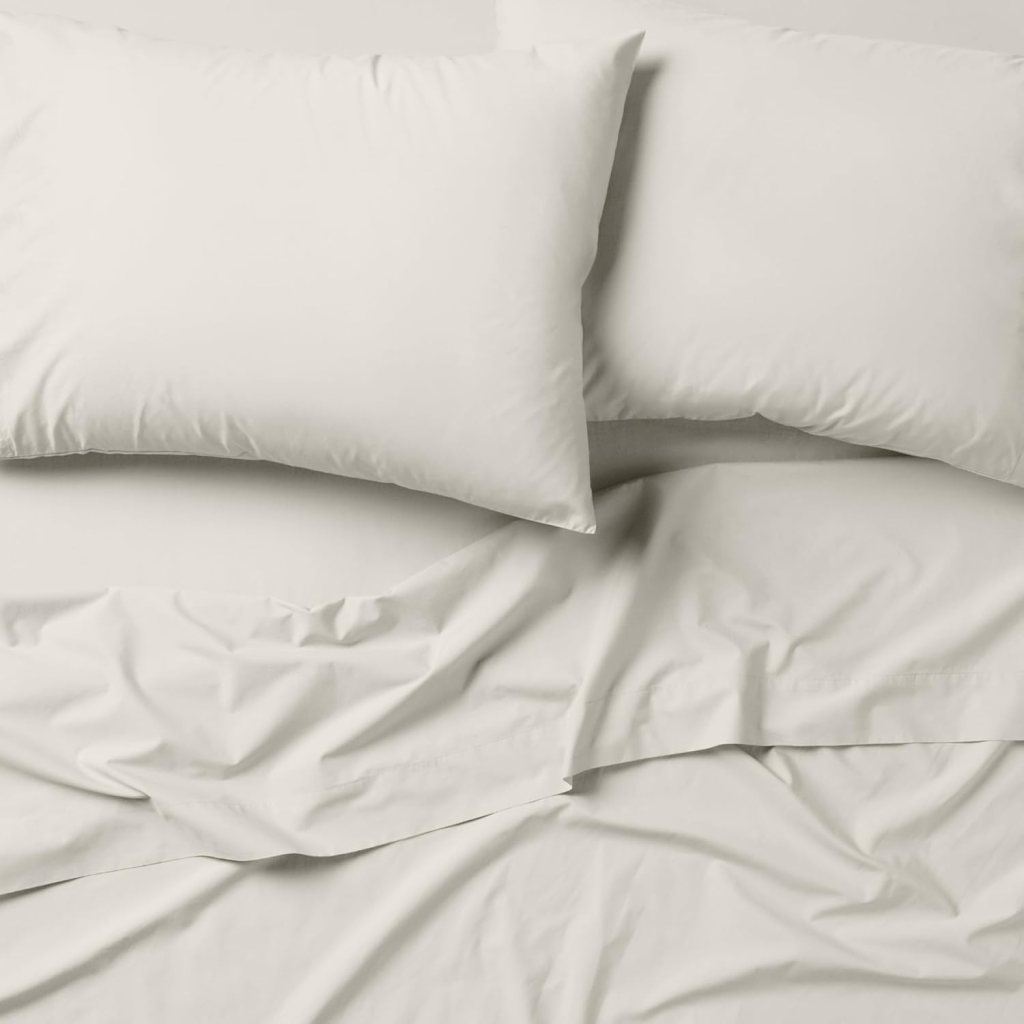
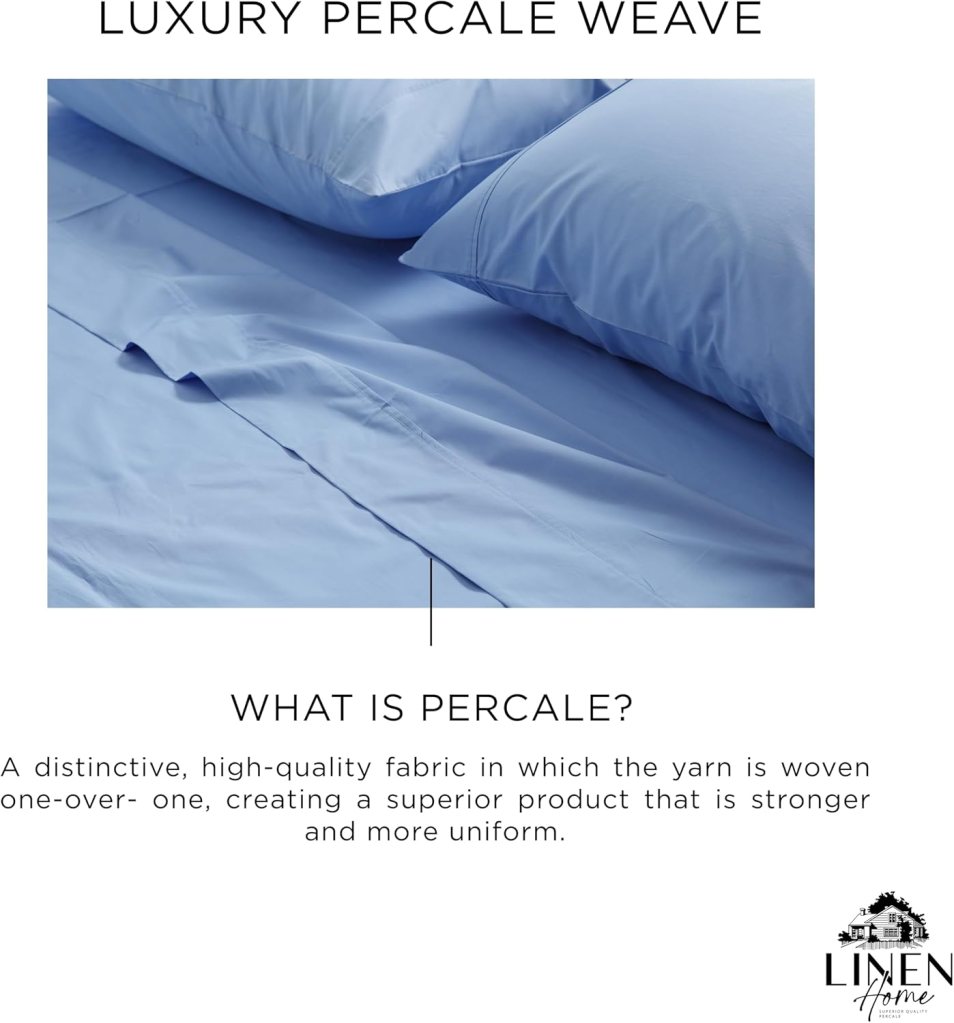
When you’re reading listings, look for phrases like “tight percale weave” and clear material details like “100% long-staple cotton percale.” If the listing is vague and just says “luxury soft,” that’s not helpful. Take the time to research and choose sheets with transparent information to ensure you get the quality and comfort you deserve, your best night’s sleep is worth it!
Also, check fit details before you buy. Measure your mattress depth including any topper. Deep pockets are only useful if they’re deep enough for your actual bed, and many returns happen because the fitted sheet pops off at 2 a.m.
Sateen sheets: smoother, drapier, and naturally cozy
Sateen is also cotton, but it uses a satin-like weave, often a three-over-one or four-over-one pattern. That means more yarn floats on the surface, which creates that signature smooth feel and a subtle sheen.
If percale is crisp and “fresh,” sateen is soft and “cozy.” It drapes more, feels warmer, and tends to feel gentle right away. If you love the idea of sliding into bed and feeling immediate softness against your skin, sateen is usually the winner on night one.
Sateen is also a common choice for people who don’t like the structured feel of percale. It’s less “sheet that stands up on its own” and more “soft fabric that falls nicely over the bed.”
The main trade-off with sateen is that it can be more prone to pilling, especially if the cotton quality is lower or the thread count is pushed too high with weaker yarns. And because sateen is denser and has more surface yarn, it tends to sleep warmer than percale.
A smart move with sateen is checking the return policy. Sateen is very feel-dependent. Some people love it instantly. Others find it too warm, too slick, or just not their vibe after a few nights. You really only know once you sleep on it.
Care also matters more for sateen. Use a gentle cycle, avoid over-drying, and don’t cook it on high heat. Skip fabric softener buildup because it can make sateen feel less breathable over time, and it can trap residue in a fabric that already runs warmer.
How to shop for the best sateen sheets
If you’re shopping sateen, fiber quality is the whole game. Look for long-staple cotton and, ideally, single-ply yarns. The goal is a strong, smooth yarn that won’t shed and fuzz up quickly. Don’t settle for less—invest in quality sheets that will keep you cozy and comfortable night after night. Start exploring your options today and experience the difference for yourself!
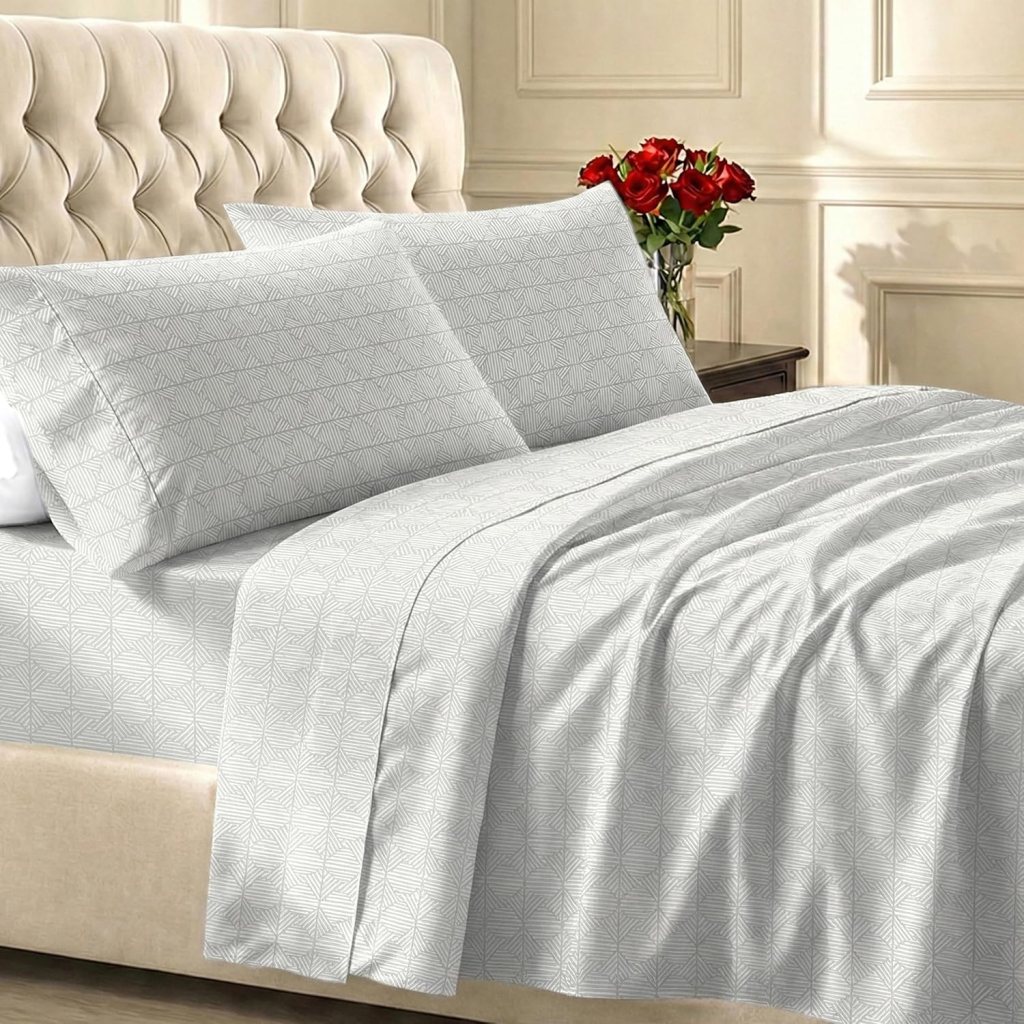
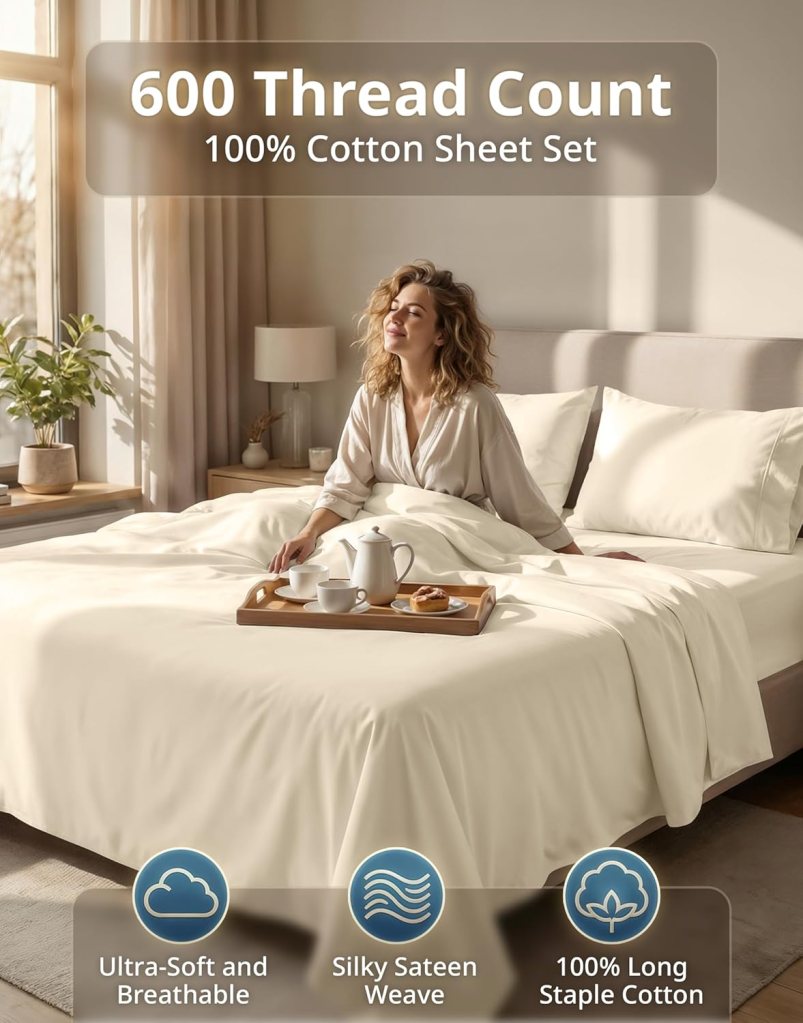
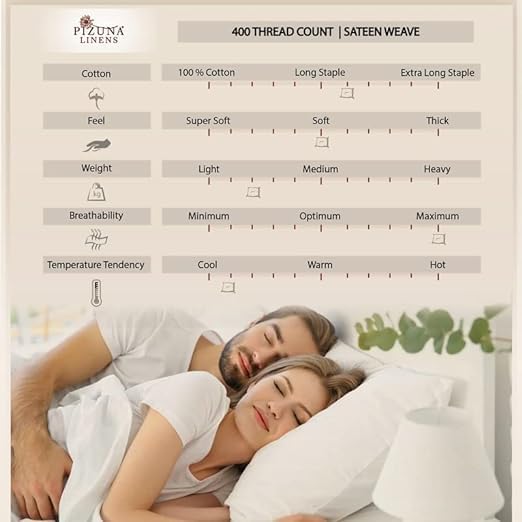
Thread counts guidance here is more about not going overboard. Very high thread counts in sateen can mean denser fabric and sometimes more pilling, depending on how it’s made. You want a balance: smooth, durable, breathable enough, and not so dense that it turns into a heat blanket.
Read reviews specifically for pilling and for “after multiple washes” updates. Sateen can feel incredible out of the box, then disappoint if it pills early. Reviews that mention “6 months later” are more valuable than “arrived fast, feels nice.”
And again, returns matter. If you are picky about texture or temperature, give yourself the option to send them back after a real test.
Linen bedsheets, breathable, textured, and unbeatable in summer
Linen sheets are usually made from flax fiber. The yarns are naturally thicker and have that slightly uneven, slubby look. That’s not a defect. That’s linen being linen.
The feel is the biggest dividing line. Linen is not silky. It’s not smooth like sateen. It’s more of a textured, airy, “relaxed cozy” feel. Some people fall in love instantly. Others need a week and a few washes to get used to it.
The good news is linen changes dramatically over time. Many linen sets start off a bit crisp or textured, then soften and soften until they feel almost plush, but still breathable. It’s one of the few fabrics where “gets better with age” is actually true when you buy decent quality.
When shopping linen, transparency is a great sign. If a brand tells you where the flax is sourced, where the fabric is made, and what the fabric weight is, they’re usually more serious. If the listing is vague and just says “premium linen,” it’s harder to know what you’re getting.
Affordable linen can be worth buying, but it should still have basics like consistent weaving, solid stitching, and a return policy or warranty. Linen is too expensive to gamble on a listing that won’t stand behind the product.
Care-wise, linen is easy but specific. Wash gently, avoid high heat, and don’t obsess over wrinkles because linen wrinkles are part of the charm. If you want linen to feel softer sooner, a pre-washed or stonewashed linen set can be worth the upgrade.
How to buy the best linen sheets (especially affordable linen sheets)
Ignore thread count for linen. It’s not a helpful metric here. GSM is more useful. Think of it like this: lighter GSM linen feels more airy and summery, mid-weight feels like a year-round sweet spot, and heavy linen can feel more substantial and warmer.
If you want linen but you’re worried about the initial texture, look for “pre-washed” or “stonewashed.” That usually means the brand has already done some of the softening work so it feels nicer from day one.
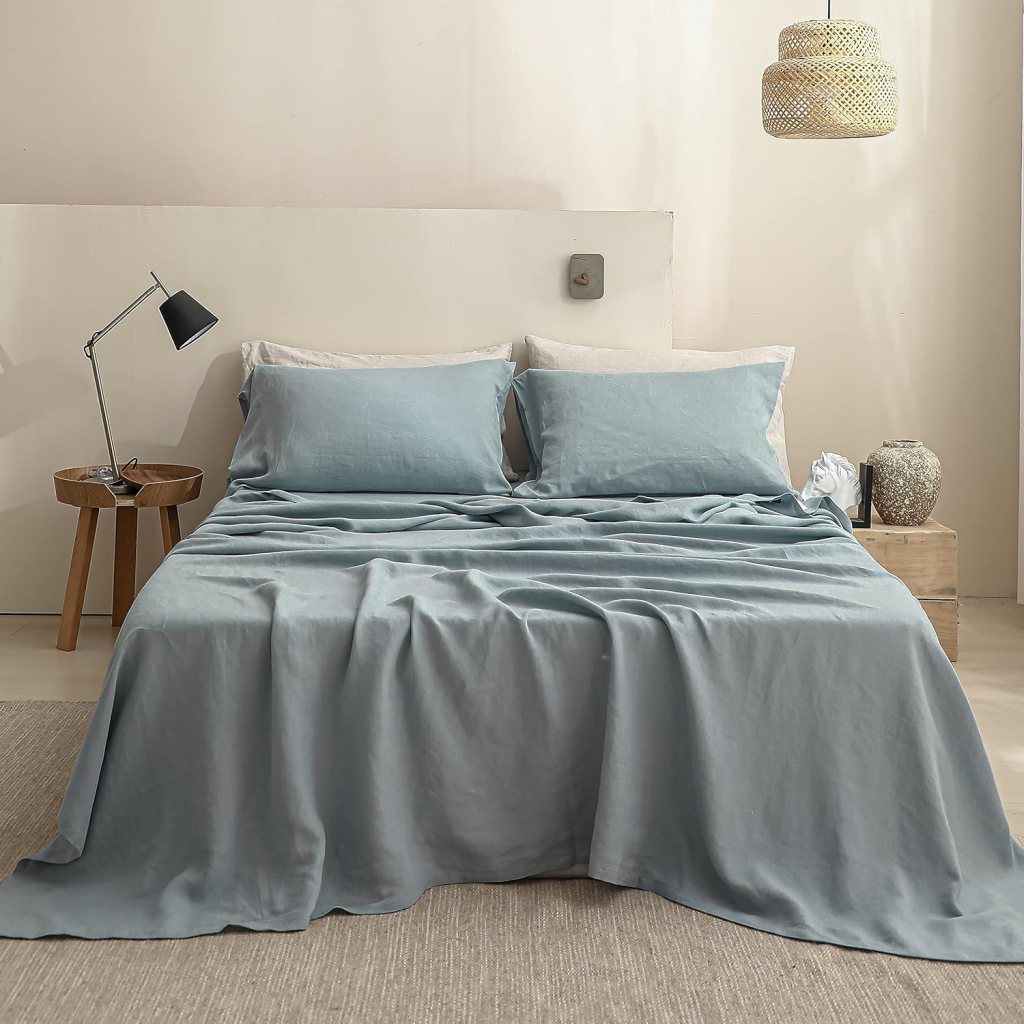
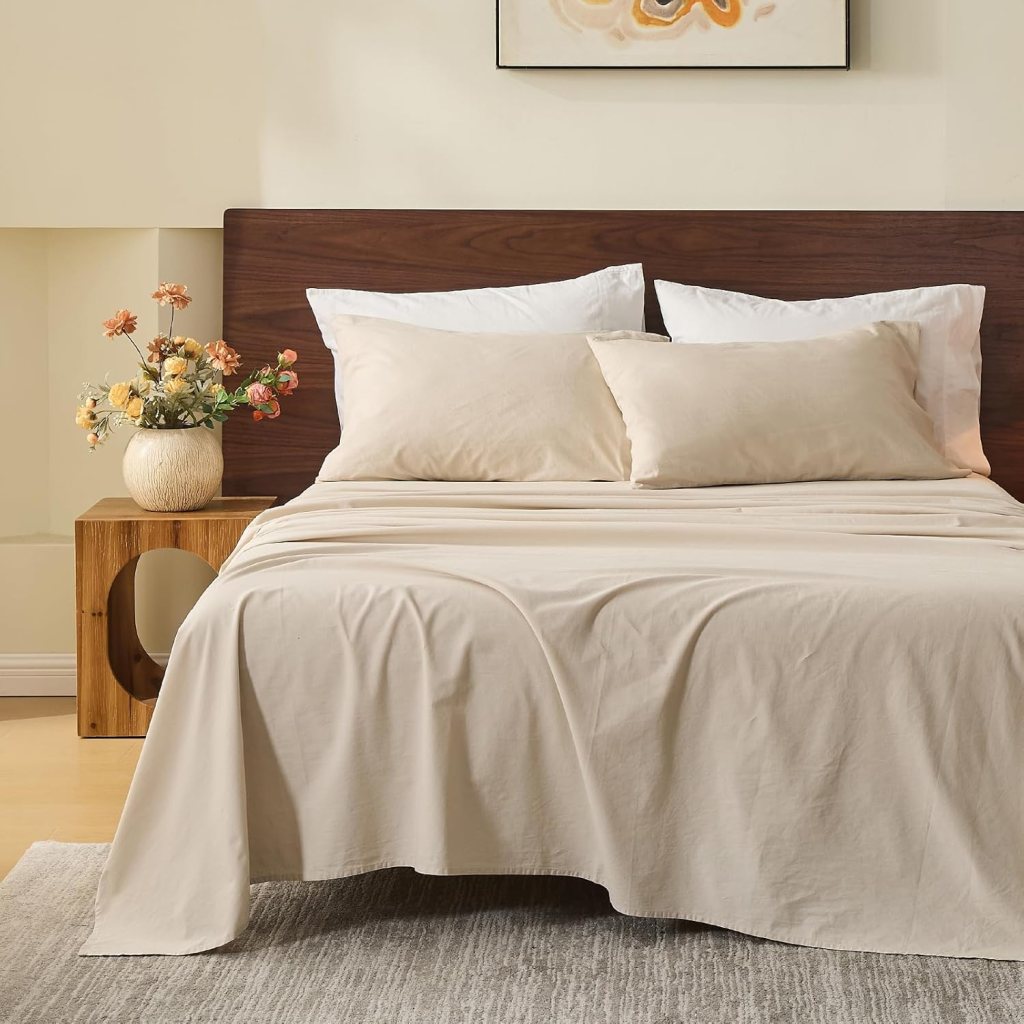
Transparency is still your friend. Listings that clearly say “100% linen” or “100% flax linen,” include fabric weight, and mention sourcing are usually safer than listings that just say “linen feel.” So next time you shop, prioritize these details and choose with confidence to enjoy the comfort and durability of quality linen sheets.
And if you’re buying affordable linen, check the basics: stitching, consistent weave in close-up photos, and a return policy. Linen is durable, but only when it’s made well.
Linen vs cotton sheets: which is better for cozy sleep
This is where it gets personal, because “cozy” means different things to different people.
If you want soft immediately, cotton sateen usually wins day one. Percale starts crisp and gets softer steadily. Linen often starts textured, then becomes uniquely soft after it’s broken in, and a lot of linen lovers will tell you nothing else compares once it gets there.
For temperature, linen is often the coolest and driest. It breathes well and handles humidity and sweat like a champ. Percale is also cool and breathable, just with less of that moisture-wicking “dry” feeling linen has. Sateen is usually the warmest because it’s denser and drapier.
For look and feel, linen is relaxed and wrinkled in a way that looks intentional. Percale is crisp and matte. Sateen is smooth and can look slightly shiny, which some people love and some people do not.
For maintenance, linen and percale are pretty forgiving with frequent washing. Sateen can need a bit more care to avoid pilling and to keep it feeling breathable.
Budget-wise, cotton is usually cheaper upfront. Linen costs more, but a good linen set can last a long time, and because it’s breathable, it can also improve sleep quality in hot months in a way that feels worth it.
Best bedsheet material by sleeper type
If you’re a hot sleeper or you wake up sweaty, prioritize breathability and moisture handling. Linen is the best for that, especially in humid climates. Percale is also a strong choice because it feels cool and doesn’t trap as much heat. Very heavy sateen is usually not your friend here.
If you’re a cold sleeper or your bedroom is always air-conditioned, sateen is often the coziest choice because it feels warmer and softer right away. You can also go with heavier linen if you like linen’s feel, but for most people who want instant warmth, sateen is the easy win. A good tip here is to use sheets that feel comfortable and then add warmth with layering, like a duvet or blanket, instead of overheating with heavy sheets.
If you have sensitive skin, smoother is often better because it reduces friction. Sateen is a common favorite for that reason. Percale can also work well if it’s well-made and not overly scratchy. Certifications like OEKO-TEX and GOTS can be worth prioritizing, and it’s smart to avoid harsh dyes and heavy finishes if you know your skin reacts.
If you hate wrinkles, set expectations early. Linen wrinkles the most, that’s part of the look. Percale wrinkles too, just less than linen. Sateen generally looks the smoothest on the bed, especially right after you make it.
If your main goal is “the softest sheets,” decide what kind of soft you mean. If you want soft immediately, go sateen. If you want a cool soft that gets better with time, go percale. If you want that broken-in, relaxed softness after a few weeks, linen can be the best thing you’ve ever slept on.
Thread count, weave type, and breathability and how they all connect
Here’s the simplest way to understand it, weave changes airflow and surface feel even if the fiber is identical.
Percale’s plain weave leaves more of that crisp, open structure, so it tends to breathe well and feel cool. Sateen’s weave puts more yarn on the surface, making it smoother and often denser, which usually means it sleeps warmer. Linen yarns are thicker and the fabric structure tends to allow airflow, plus the fiber handles moisture well, so it often feels the driest.
Higher thread count often means denser fabric. Denser fabric can mean less airflow, especially with sateen. That’s why “higher thread count” doesn’t automatically mean “better for hot sleepers.” It can mean heavier, warmer, and sometimes more prone to pilling if the yarn quality is not great.
A practical way to use thread count is to avoid the extremes. Very low thread count sheets can feel thin and wear out faster. Extremely high thread count sheets can be marketing-heavy and not as breathable. In the middle is usually where the good stuff lives, especially when paired with long-staple cotton and good construction.
Thread count matters most when you’re trying to avoid low-quality, flimsy sheets. After that, fiber quality and weave type do more of the heavy lifting for comfort.
Shopping shortlists, things to look up when you’re searching online
When you’re searching online, the goal is to force the listing to tell you the truth.
For percale, search terms like “100% cotton percale,” “long-staple,” “hotel percale,” and “OEKO-TEX” usually pull up better options than “cooling sheets.”
For sateen, search “100% cotton sateen,” “long-staple,” “single-ply,” and if you see something like “anti-pill” from a reputable brand, that can be a useful clue. Still, reviews matter more than claims.
For linen, search “100% linen flax,” “pre-washed” or “stonewashed,” “GSM listed,” and “European flax” if you want to filter toward more transparent sourcing.
Now for the stuff to skip or at least question hard: microfiber labeled as “cooling” is often not cooling in the way you want for sleep. Bamboo is often actually viscose or rayon made from bamboo, and it can be fine, but listings can be vague about what it really is and how it’s made. Unrealistic thread counts are another red flag. If the listing feels like it’s shouting “luxury” without giving you specifics, that’s usually not a great sign.
Also, don’t forget fit. Check your mattress depth. Expect some shrinkage. If you’re buying a linen duvet cover, look for corner ties if you hate your duvet sliding around inside.
If you’re shopping on Amazon, here’s how to actually find really soft cotton sheets
Amazon can be great for sheets, but it’s also where vague listings go to thrive. If you’re shopping there and you want soft cotton sheets without playing roulette, you need to filter aggressively and read like a detective.
Start with material: make sure it says 100% cotton. Not “cotton rich,” not “cotton blend.” Then look for weave language: percale or sateen. If the listing doesn’t say which one it is, that’s already annoying because it’s one of the main comfort factors.
If there are certification filters or the listing mentions OEKO-TEX, that’s a nice bonus, especially for sensitive skin.
In reviews, trust the people who come back after a few weeks and update their review. Look for mentions after multiple washes. For sateen, specifically scan for pilling complaints. For percale, scan for “too thin” or “papery.” For any set, pay attention to seams tearing, elastic failing, or fitted sheets not staying on.
Also be aware of common Amazon issues: “swapped listings” where reviews no longer match the current product, inconsistent photos, and multiple sellers on the same listing that might ship slightly different versions.
If you’re searching something like “soft cotton sheets Amazon,” just make sure you’re not stopping at “soft.” Verify the weave type and fiber details in the listing, because that’s what determines whether they’ll feel soft in the way you personally like.
So, which one is best for cozy sleep?
If you want cool plus crisp, choose percale. It’s breathable, fresh, and especially good if you run hot or like that hotel-sheet feel.
If you want smooth plus cozy, choose sateen. It’s the easiest way to get that soft, warm, comforting feel right away, especially in cooler rooms or winter months.
If you want airy plus relaxed and you don’t mind texture and wrinkles, choose linen. It’s a summer superstar, great in humidity, and it can become incredibly soft once it’s broken in.
If you’re stuck between two, use the tie-breakers that actually matter: your climate, whether you sleep hot or cold, how sensitive your skin is, how much you care about wrinkles, how gentle you’re willing to be with laundry, and how fast you need “softness” to happen.
A simple approach that works for a lot of people is having one “main” set and one seasonal set. Think percale or linen for summer, and sateen for winter. Once you do that, your bed stops feeling like a compromise and starts feeling like a place you genuinely look forward to.
Ready to transform your sleep experience ? Start exploring your perfect sheets today and create the cozy retreat you’ve been dreaming of!

 Lunara Studio
Leave a comment