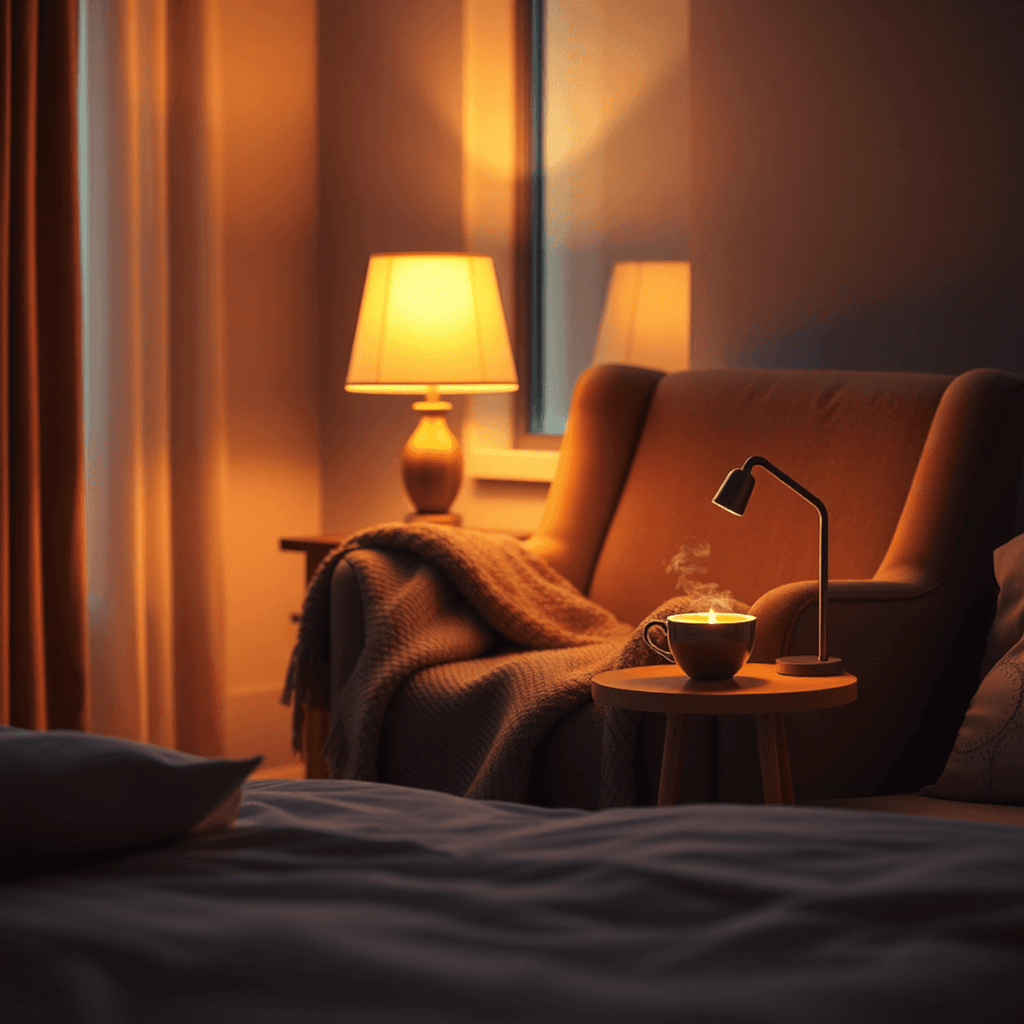
Why a Cozy Night Routine Is the Best Way to Sleep Better (for most people)
A “cozy night routine” is basically a repeatable set of calming cues that tell your brain, hey, sleep is next. Not “sleep should happen,” not “I hope I pass out soon.” More like. This is what we do every night. Lights go low. The day closes. Body slows down. Then bed.
And the cozy part matters more than people think. Cozy usually means lower stress, lower stimulation, fewer sharp edges. When your nervous system isn’t buzzing, you fall asleep faster and you tend to wake up less. Or if you do wake up, you can drift back easier because your body isn’t instantly back in go mode.
One important expectation, though. You’re not chasing a perfect routine. A perfect routine is a great way to fail on day three and then decide you’re “bad at sleep.” What you want is a consistent routine. One you can repeat most nights, even when you’re tired, even when you’re busy, even when life is a little chaotic.
If you often can’t fall asleep within about 20 to 30 minutes, or you wake up feeling tired, or you’re doing that thing where you dread bedtime because it turns into an hour of thinking. A routine is a high leverage starting point. Not the only thing, but a really good first domino.
Start building your cozy night routine tonight—choose simple calming cues that work for you and commit to them consistently. Your best sleep awaits!
Build Your Cozy Night Routine (A Simple Timeline You Can Copy)
Think of your routine like a flexible timeline from 90 minutes before bed to lights out. You can shift the clock earlier or later depending on your schedule.
A simple routine includes a clear start time, such as deciding to dim the lights at a specific moment, and a clear lights out target, which is the time you aim to go to bed most nights.
And if your evenings are chaotic, you still have options. Even a 15 minute minimum routine helps because it creates a small, consistent bridge between daytime and sleep.
Let’s build it.
90 Minutes Before Bed: Set the Stage (Light, Food, and Expectations)
This is the part where you gently tell your body the day is winding down. Nothing dramatic. Just a shift.
Dim the environment.
Switch to warm lamps. Reduce overhead lights. If you have smart bulbs, great. If not, one warm lamp is enough. Overhead lighting keeps things feeling like daytime. Your brain stays on.
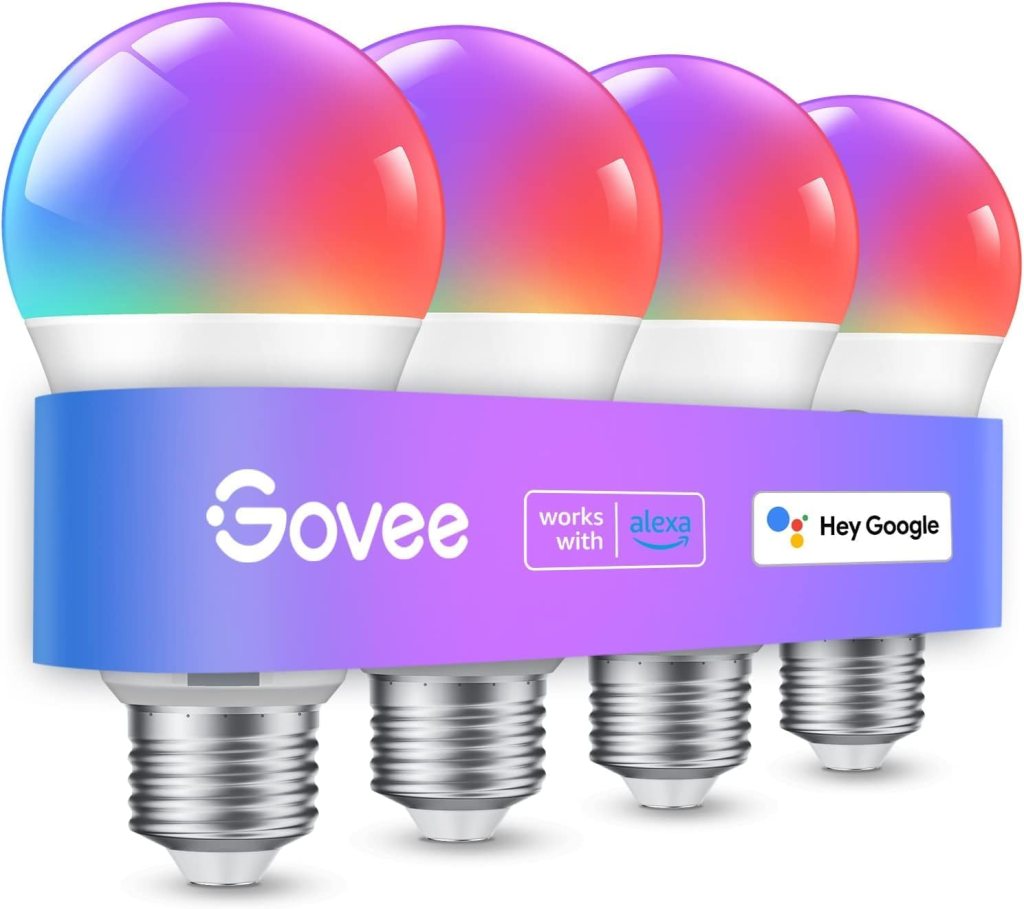
Also, turn your screens down. Low brightness, night mode, warm tone. It’s not perfect, but it helps.
Cut off heavy meals.
Big meals close to bed can mess with sleep. Reflux, elevated body temp, weird wake ups. Try to finish heavy dinner earlier if you can.
If you’re actually hungry, do a light snack. A few easy examples like yogurt, a banana, a small handful of nuts, or toast with a little nut butter.
Nothing huge. Just enough to stop hunger from being the loudest thing in the room.
Limit alcohol and caffeine late.
This one is annoying because alcohol can make you feel sleepy. But sleepier isn’t the same as better sleep. Alcohol tends to fragment sleep later in the night. More wake ups, lighter sleep, more restless feeling in the morning.
Same with caffeine. Some people can do coffee at 4 pm and sleep fine. Many can’t. If sleep is a struggle, treat caffeine like a suspect for a week.
Set a realistic bedtime target and close “open loops.”
This is underrated. A lot of nighttime alertness is just your brain going, don’t forget this, don’t forget that.
Take 2 minutes to make a “tomorrow plan”. Write down the top 3 things you need to remember for tomorrow. Then choose only the first step for the morning (just one step, not the entire plan, don’t overthink it). Finally, place it somewhere you’ll actually see it.
You’re not solving life at 10:30 pm. You’re giving your brain permission to stop holding everything.
60 Minutes Before Bed: Digital Sunset (Without Being Unrealistic)
A “digital sunset” is less about never using a phone again and more about making screens less powerful at night.
Here are some simple tips that don’t require changing who you are. Set app timers for social media, turn on Do Not Disturb, use grayscale mode at night (makes your phone less appealing), charge your phone outside the bedroom (the best option if possible)
If you can’t really avoid screens in real life, then at least make the screens super boring. For examples put on an audiobook with a sleep timer, turn on a calm playlist, watch a gentle video you’ve already seen before. Just pick something slow, nothing super emotional or intense. And yeah, also lower the brightness. Every single time.
Instead of mindlessly scrolling through your phone or social media, create a scroll replacement list, a set of intentional activities you can turn to when the urge to scroll hits. This helps break the cycle of endless input and encourages more restful habits, such as read a physical book, do some light stretching on the floor, quick tidy of the kitchen or living room, skincare or shower, then make some tea and sit down. No multitasking, no scrolling, just sit there for a bit and, you know, actually be there.
It sounds small. But replacing “infinite input” with “finite cozy activity” is one of the fastest ways to feel sleepy again.
30 Minutes Before Bed: The Cozy Wind Down (Choose 2 to 3)
This part is basically the heart of the whole routine. Like, this is where it should actually feel good. It should feel like a sigh of relief, not just another boring checklist to get through.
Try using a kind of menu approach. Just pick 2 to 3 things you actually enjoy like reading (fiction works well), gentle stretching, journaling, skincare, herbal tea, light tidying (just enough to feel calm)
A simple rule that help pair one sensory cue with one calming activity.
Examples of cozy night routine combinations include sipping peppermint tea while reading one chapter of a book, enjoying a warm shower followed by skincare, or applying lavender lotion paired with five minutes of stretching.
The cue becomes a signal. Over time your brain starts to associate it with sleep.
Keep it easy. Avoid routines that feel like chores. If you hate journaling, don’t force it. If you love stretching, great. If the idea of stretching makes you tired in a bad way, skip it.
If anxiety spikes at night, try doing a quick worry dump to clear your mind and regain control.
Set a timer for 3 minutes to keep the process short and focused, preventing overthinking and maintaining efficiency. Write down everything you’re worried about quickly and messily without worrying about grammar or organization; this helps reduce mental clutter by externalizing your worries. Finally, identify one next step for tomorrow.
This technique works because it creates a boundary between nighttime rest and daytime problem-solving. Over time, it trains your brain to separate worry from sleep, making it easier to fall asleep despite anxious thoughts.
Lights Out: A Bedtime That Actually Helps You Sleep Well
Your bed should be a strong cue. Sleep and intimacy, that’s the idea. Not work. Not doomscrolling. Not planning your entire week. The more you use bed as a general purpose lounge, the weaker the sleep association becomes.
Try a consistent lights out ritual. Establishing the same sequence each night signals to your brain that it’s time to wind down, reinforcing your sleep routine even if the steps are simple.
A quick visit to the bathroom helps avoid middle-of-the-night wake-ups. Brushing your teeth is a familiar act that marks the transition from day to night. Taking a small sip of water can prevent thirst without causing disruptions. Finally, turning off the lights cues your body to produce melatonin, the sleep hormone.
Incorporate one breathing pattern to deepen relaxation. For example breathe in really slowly through your nose for about 4 seconds, then hold it there for 7 seconds, and after that exhale gently out of your mouth for like 8 seconds.
This controlled breathing calms your nervous system, lowers heart rate, and eases tension—preparing both mind and body for restful sleep. Stick to this pattern nightly as part of your ritual to build a powerful sleep association.
If you’re not sleepy, don’t force it. Lying there for an hour teaches your brain that bed equals wakefulness.
By consistently applying this approach, you retrain your mind to associate the bed with rest and relaxation rather than wakefulness or frustration. This simple habit can significantly improve your ability to fall asleep faster over time.
Boring is good here. You’re not trying to “win” bedtime. You’re trying to let sleep show up.
Make Your Bedroom Feel Like a Sleep Cave
Your room is the cozy multiplier. When your bedroom supports sleep, your routine doesn’t have to work as hard.
Light: The Fastest Fix for Better Sleep
Darkness cues melatonin. Even small light sources can be disruptive for some people, especially random LEDs and streetlight glow.
Low costs upgrades like blackout curtains (even basic ones), a sleep mask (honestly underrated), cover LEDs with tape or turn devices away, warm bulbs in bedside lamps.

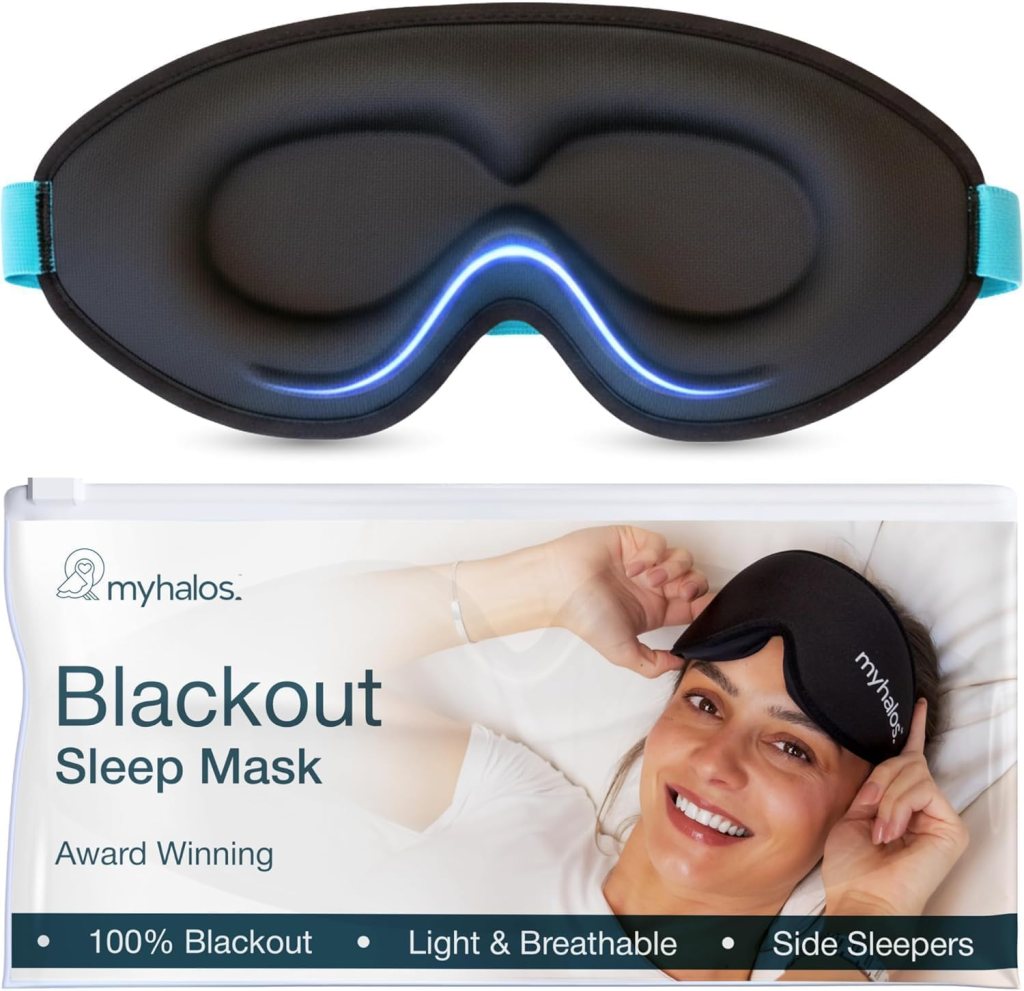
Getting bright light earlier in the day makes it easier to feel sleepy at night because it anchors your body clock. Even 5 to 10 minutes outside helps.
Temperature: The Overlooked Best Way to Sleep Easier
Most people actually sleep better in a cooler room, because sleep is connected to a drop in core body temperature. When your room is too warm, your body has to work extra hard just to cool down, and then your sleep usually gets lighter and more broken.
And yeah, it really matters. The temperature of the bedroom significantly affects sleep quality.
If you’re a hot sleeper, you can lighter layers, breathable fabric, fan, cooler room
If you’re a cold sleeper, you can keep the room cool but layer your bed. Socks can help or add a blanket you can kick off easily
The goal is a cool room with a comfortable nest. Not freezing misery.
Sound: Quiet Your Space, Quiet Your Mind
If your environment is noisy, your brain stays a little more alert. Some people can sleep through anything. Others wake up to a neighbor closing a door. No shame, just biology.
Options for creating a calming auditory environment include white noise, brown noise which tends to be deeper and softer for many people, and earplugs. Additionally, calming soundscapes such as rain or ocean sounds can also help promote relaxation.
If you use audio, keep volume low and consistent. Avoid tracks with sudden changes, ads, or random bird shrieks.
If your partner snores, start by trying white noise to mask the sound. Encourage them to sleep on their side or use a pillow setup that helps reduce snoring. Using separate blankets can also minimize movement transfer and improve sleep quality. If the snoring is loud and constant, it may be worth having a gentle and supportive conversation about seeking medical advice.
Comfort: Small Bedding Tweaks That Make Nights Feel Cozy
Comfort plays a significant role in signaling your body that it’s time to sleep. If your pillow causes your neck to be misaligned, you may experience micro awakenings throughout the night and mistakenly attribute them to stress. It’s important to use a pillow that keeps your neck properly aligned, avoiding positions where it’s either craned up or collapsed down, and to replace pillows when they become flat, lumpy, or worn out.
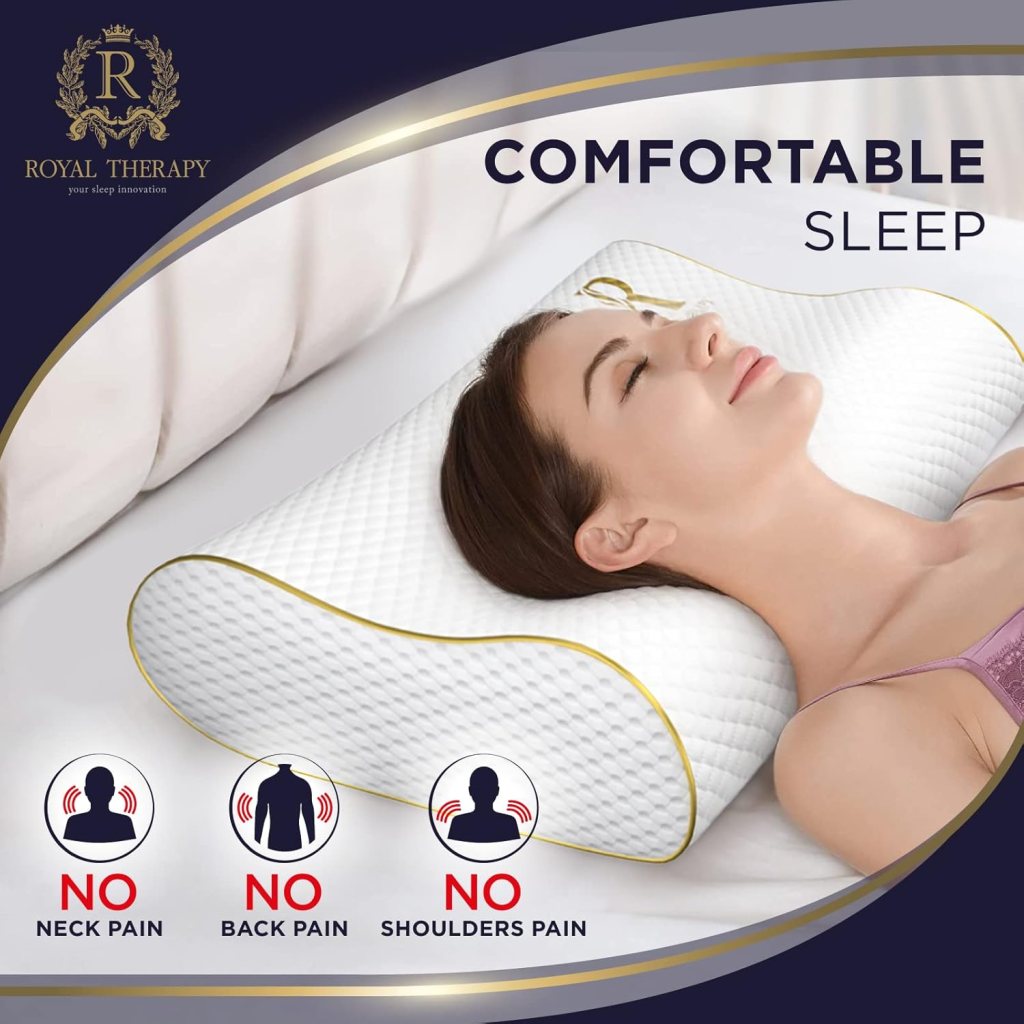
When it comes to sheets, breathability is more important than brand names; if you tend to sleep hot, opt for cooler, lighter fabrics. Keeping things simple and within budget is key-having two good sets of sheets is better than one expensive set that you dislike washing.
Weighted blankets can be helpful for anxiety and restlessness for some individuals but should be avoided if you overheat easily or have certain medical conditions where weight could pose a problem. Additionally, if using a weighted blanket makes you feel trapped rather than comforted, it’s best not to force it.

The “Calm Body” Checklist: Downshifting Your Nervous System
If your body is stuck in go mode, you really can’t just make yourself sleep. It doesn’t work like that. You kind of have to downshift instead.
So just pick one tactic. Just one. Use it every night. Keep it super short. The whole point is that it starts to feel familiar.
2 Minute Breathwork for Falling Asleep Faster
Two simple options.
Option 1: 4 6 breathing. Inhale through the nose for 4 seconds. Then exhale slowly for 6 seconds. Repeat for about 2 minutes.
Option 2: Box breathing (gentle version). Inhale 4. Hold 4. Exhale 4. Hold 4. Repeat that.
You can use this in bed after lights out, or during those middle of the night wake ups when you’re just staring at the ceiling.
Common mistake: trying too hard. If you’re counting like it’s an exam or something, it can actually backfire. Keep it soft and kind of relaxed. Close enough counts.
Light Stretching to Release “Desk Body” Tension
This is not a workout. If your stretching turns into a power yoga flow, you’ll wake yourself up.
Try to keep it at like 5 minutes. And connect it to some kind of cue, like right after brushing your teeth or something. That way you don’t have to sit there and decide every time.
Journaling that stops the nighttime
Journaling that stops the nighttime spiral can be done in two formats you can rotate. The first format is a brain dump where you write whatever is in your head quickly without worrying about structure or grammar, stopping after five minutes. The second format involves noting three small wins from today, one worry, and one next step for tomorrow.
Then close the notebook and physically put it away. That’s your end signal. Otherwise it can turn into rumination with a pen.
A Cozy Night Routine That Works Even If You’re Busy (Two Templates)
Sometimes the hardest part is not knowing what to do, in what order. So here are two ready to use routines. Adjust them, but keep the order consistent.
Consistency over length. Same steps, same order, most nights.
The 15 Minute Minimum Routine (For Real Life)
This routine is designed for late nights, messy nights, or evenings when you’re tempted to crash with your phone in your face.
Start by dimming the lights using one warm lamp, then do a quick two-minute tidy focusing just on surfaces.
Next, brush your teeth and wash your face, followed by a two-minute breathing exercise.
Finally, turn the lights out.
To keep this routine frictionless, preset the lamp to one click, keep a book on your nightstand even if you only read one page sometimes, and charge your phone elsewhere or at least across the room.
Using this routine on late nights helps you stay consistent, which is more important than doing a perfect version just twice a week.
The Full 60 Minute Cozy Routine (When You Want Maximum Calm)
This is the longer version for nights when you actually have time and you want that deep exhale feeling.
Begin with a digital sunset by turning on Do Not Disturb and lowering your screen brightness, followed by a warm shower to relax your body.
Next, complete your skincare routine and put on your pajamas. Enjoy a cup of herbal tea while journaling for about five minutes, then read ten pages of a book before turning the lights out.

To enhance the coziness, add one or two comforting cues like a scent you only use at night or soft socks.
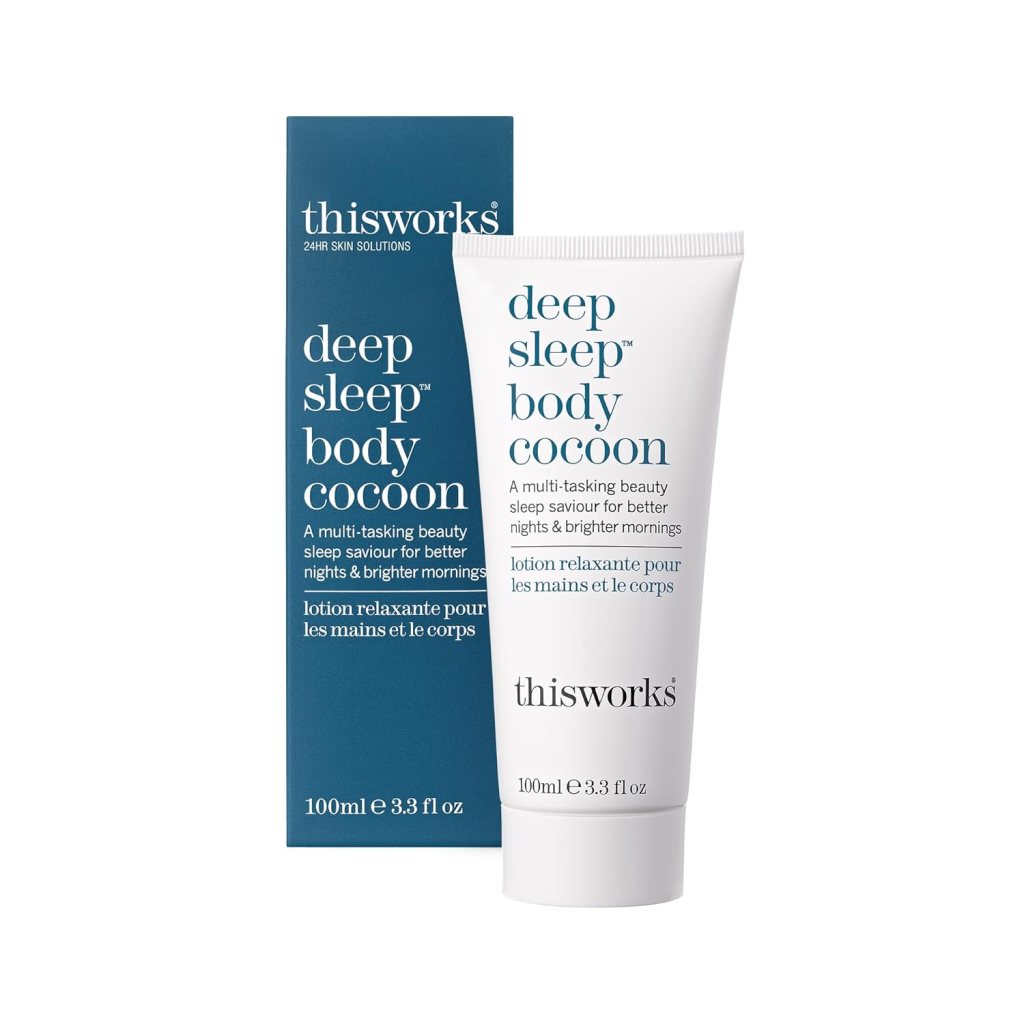

You can also play a calming playlist at low volume with the same vibe every night to help you wind down.
How to avoid making it a project: keep steps optional. If tea feels like effort, skip it. If journaling turns into spiraling, skip it. The routine serves you, not the other way around.
Common Mistakes That Ruin Sleep (Even If Your Routine Is “Cozy”)
A few patterns can cancel out a good routine fast.
Going to bed too early to catch up.
If you’re not sleepy and you go to bed anyway, you may lie awake and train your brain that bed equals wakefulness. Better to keep a consistent wake time and let sleep pressure build.
Treating weekends like a different life.
Sleeping in way late, staying up way late, then wondering why Monday night is rough. That’s social jet lag. You don’t have to be strict, just don’t swing wildly if you can help it.
Using the bed as an office or scroll zone.
It breaks the association. Your brain is smart, and kind of stubborn. If bed equals emails and adrenaline, bedtime becomes a trigger for alertness.
Overdoing supplements or relying on alcohol or THC as a sleep strategy.
Sometimes they help you fall asleep, but sleep quality can take the hit. More fragmentation, less deep sleep, groggier mornings. If you’re leaning on something nightly, it’s worth stepping back and building a routine that works without it.
How to Stick With It: Make Your Routine Automatic in 7 Days
This is where it becomes real. The routine that works is the one you repeat. Pick a start trigger such as an alarm at a certain time, after dinner, after putting kids down, or after your last work message. Then use environment design to make the right thing the easy thing by setting the lamp where you can reach it, prepping tea supplies, placing the book where you’ll see it, and laying out pajamas. Finally, put the phone charger outside the bedroom. if you can
Track one metric for a week and keep it simple, such as the time it takes to fall asleep, the number of times you wake up during the night, or your morning energy level rated from 1 to 10. Each morning, write down just one line about that metric. That’s all you need to do.
Adjust one variable at a time. Keep what works, drop what doesn’t. You’re building your personal routine, not following a perfect template from the internet.
Start with the 15 minute minimum routine tonight, even if it feels almost too small. Then refine it over a week.
Pick two changes and just stick with them for 7 nights. That’s literally the whole thing, honestly. Consistency comes first. Cozy comes after that. Perfect is, like, never.
f you’re ready to sleep better, pick one tiny change from this guide and try it tonight—then come back tomorrow and note how you felt.


Leave a Reply