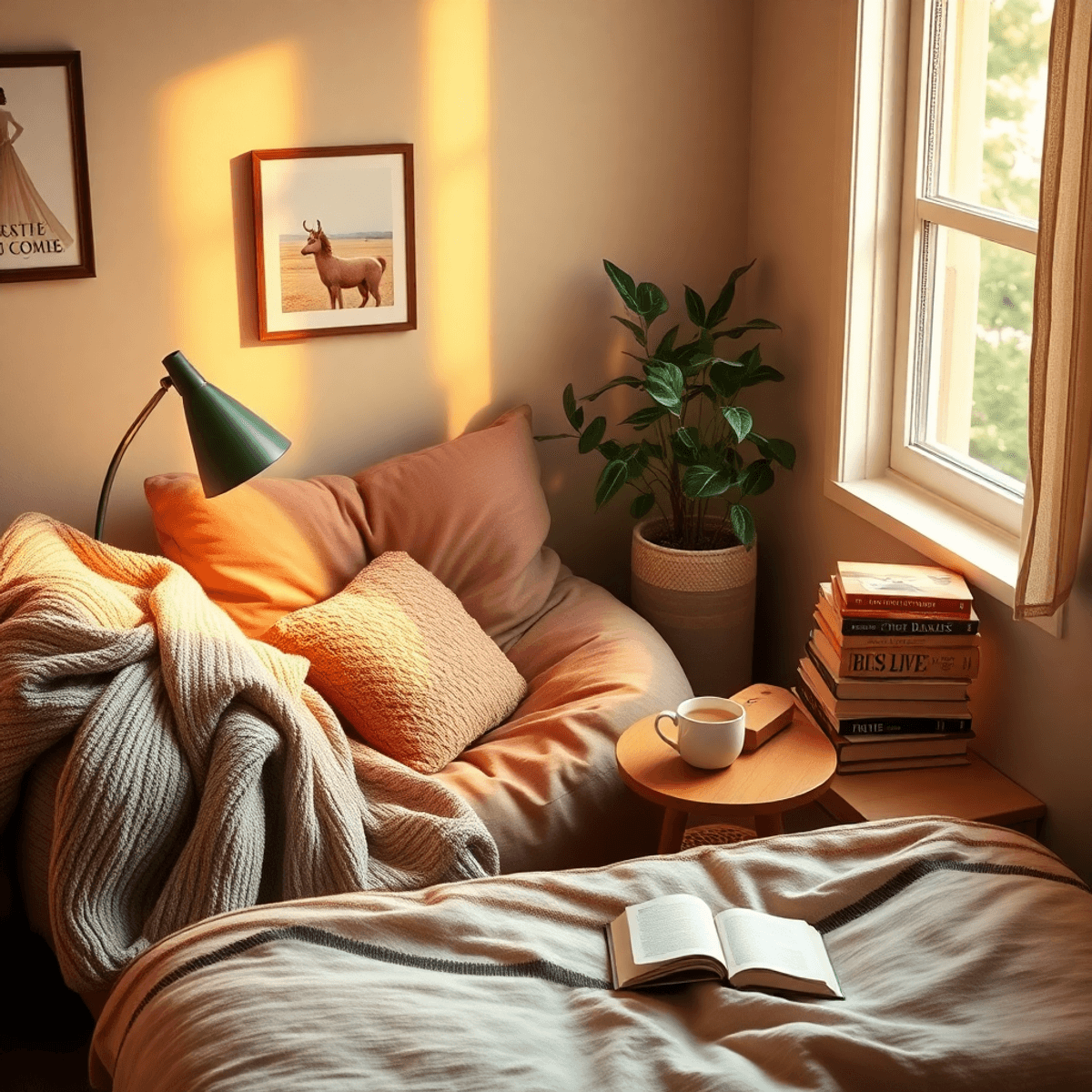
A small bedroom can feel like it already has too many jobs.
It’s where you sleep. Where you store stuff. Where you doom scroll. Sometimes where you work. So the idea of adding a reading nook can sound like, yeah… cute, but where.
But a reading corner doesn’t have to be a whole Pinterest setup with a wingback chair and a marble side table. In a small bedroom, it’s more like creating a tiny pocket of calm. A place your brain starts to associate with slowing down. Even if it’s just one chair, one lamp, and a book that’s been waiting for you for three months.
Here’s how to build one that actually feels cozy, even when your room is short on space.
Let’s start by picking the right kind of “corner”
Let’s clear this up first. Your reading corner might not be a corner.
It can be the space beside your bed where a nightstand used to be, a slice of wall near a window, the end of your bed if you have a bench or trunk there, or the only open spot near your closet door that doesn’t swing into it. Even a widened windowsill with a cushion works, as long as it’s sturdy and safe.
The goal is not geometry. It’s function. You want a spot where you can sit comfortably for 20 to 60 minutes without constantly shifting around like you’re on an airplane. This could be the perfect reading nook that allows you to immerse yourself in books without distractions.
Here’s a simple trick to pick the best spot. Just stand in a couple different places around your room, kind of look around, and imagine there’s a lamp plugged in close to you. Then picture yourself just chilling there, like your body totally relaxed and comfy. But….if it feels cramped in your chest just thinking about it, skip that spot.
Measure first. Seriously. Don’t trust your eyeballs
Small rooms punish guesswork.
Before you buy anything, measure the area you want to use and write it down. You need to know the width available, such as the space between the wall and your bed or dresser, the depth available to understand how far furniture can extend without blocking a walkway, the location of electrical outlets, and the position of windows if you want to take advantage of natural light.
As a general guide, many compact chairs need around 28 to 32 inches of width. But you can make smaller work if you choose a slipper chair, floor cushion setup, or a chair with a slimmer frame.
Also measure the path. You still need to walk through your bedroom without doing that sideways squeeze thing every day.
Choose seating that matches your real reading habits
This is where people usually mess up. They buy a chair that looks cozy. Then they sit in it for 12 minutes and go back to bed.
Just pick your seating based on how you actually like to read.
If you like curling up
Then you should totally go for this.
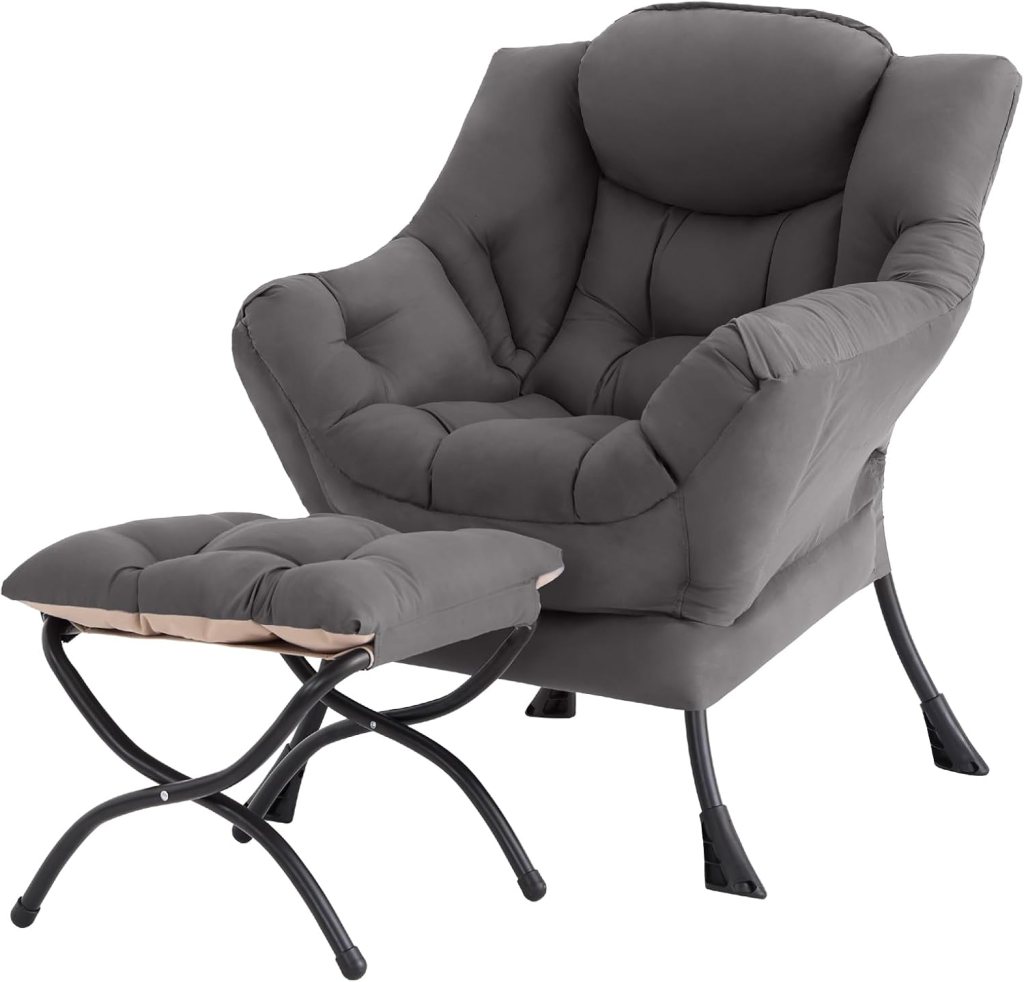
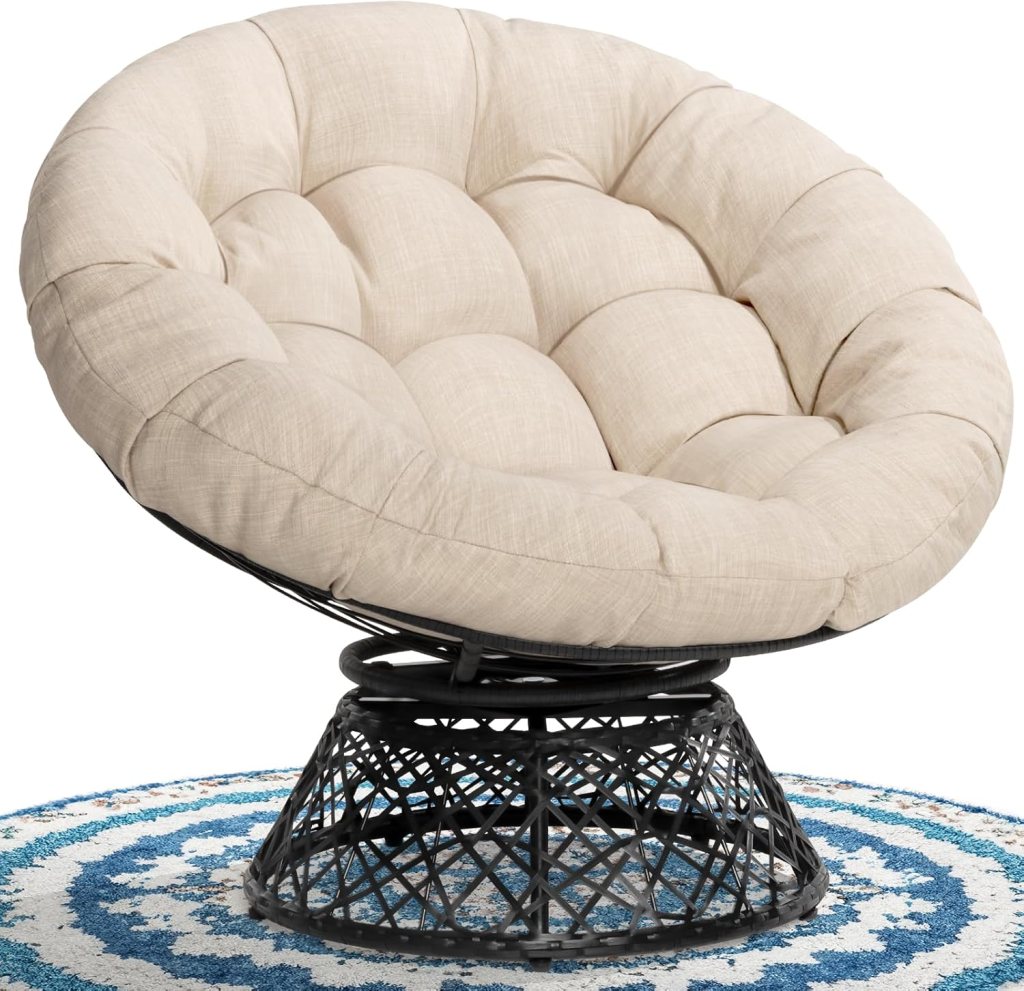
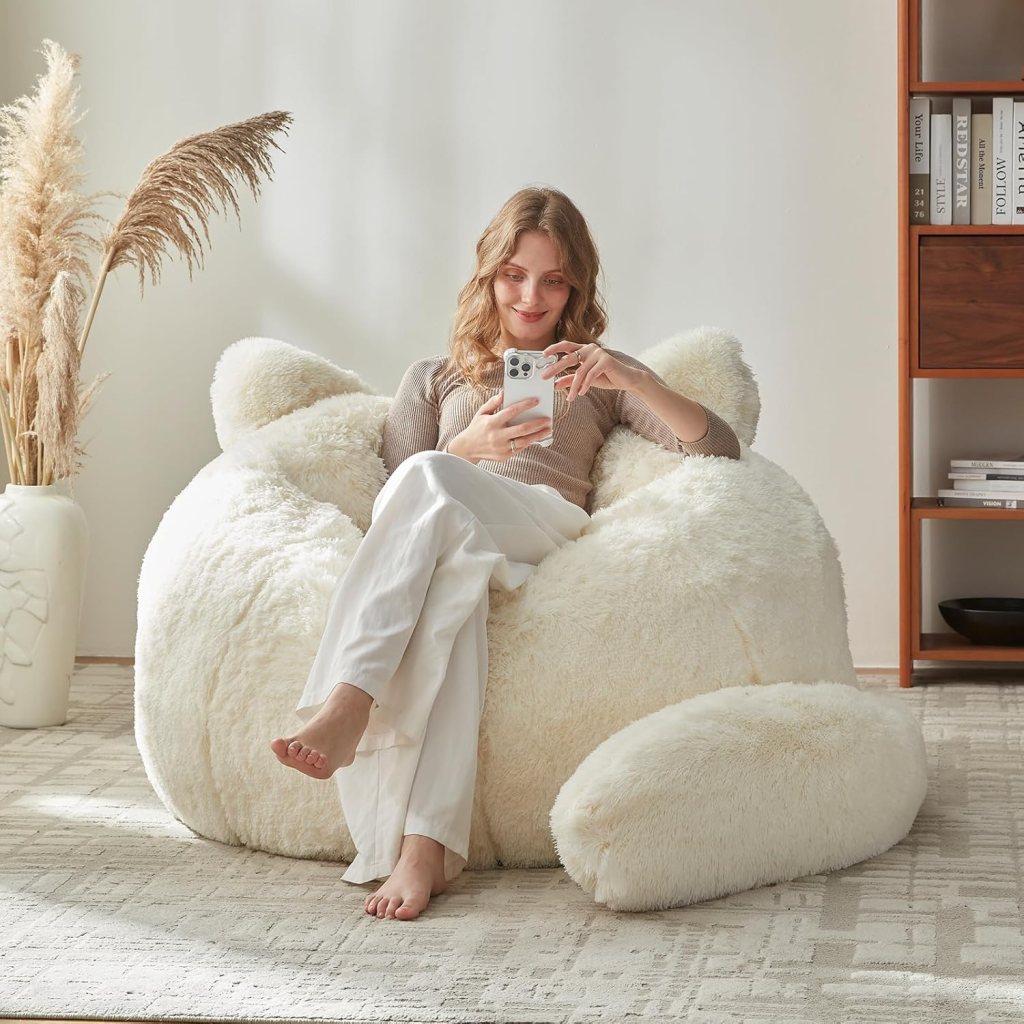
or a plush accent chair
Something with a little softness and a bit of “nest” feeling.
If you like sitting upright and focused
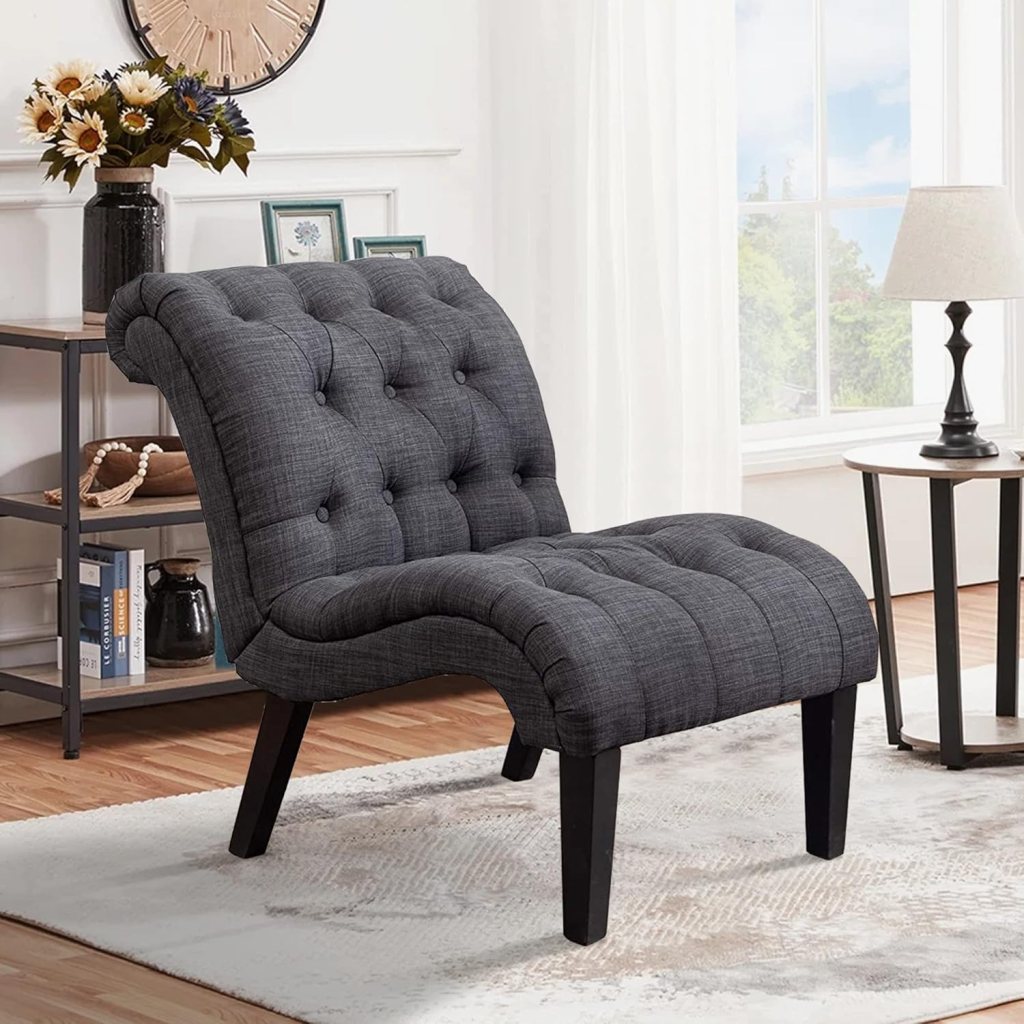
or a compact lounge chair works better.
Add a lumbar pillow so your back doesn’t start complaining.

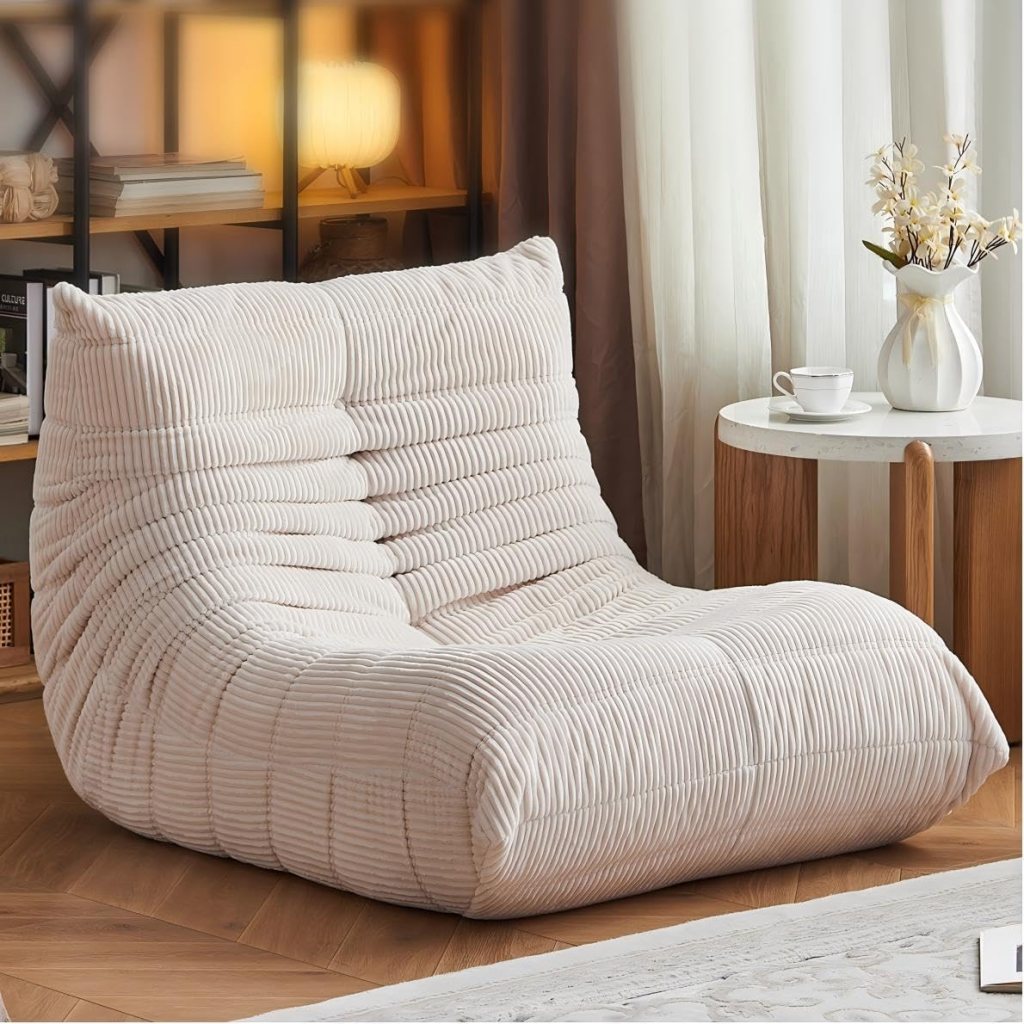
If you sprawl, cross legs, shift constantly
Consider a floor setup. Seriously. A thick floor cushion or a foldable floor chair with back support can be perfect in a tiny room, and you can tuck it away when you’re not using it.
If you get cold or stiff easily
Prioritize cushioning and support. A chair that forces weird posture will ruin the whole thing, no matter how cute your throw blanket is.
And one more thing. If you have the option, test-sit chairs in person. If not, at least check seat height and depth. Too deep and you’ll slouch. Too shallow and you’ll feel perched.
Lighting is the difference between cozy and annoying
If your reading corner has bad lighting, you won’t use it. You’ll tell yourself you will. You won’t.
Aim for one dedicated light source for reading, and if you can, one softer ambient light.
The easiest lighting setup for a small bedroom
A plug-in wall sconce above or beside the chair works well, as does a small floor lamp with a narrow base. Alternatively, you can use a clamp lamp attached to a shelf or headboard.
What you want: the light coming from slightly behind and to the side of where your book will be. Not directly overhead, not directly in your face.
Add a tiny surface for “book stuff” without eating space
Reading always comes with stuff. A book, glasses, tea, bookmarks, a phone you’re pretending you won’t check.
So give yourself a landing spot.
In a small bedroom, skip bulky side tables and consider alternatives like a narrow C-table that slides under your chair or bed, a floating shelf at arm height, a stool that doubles as a table, or a lidded storage ottoman that offers the bonus of hidden clutter. Another useful option is a wall-mounted folding desk shelf, which might sound unusual but works well in tight spaces.
Keep it small. You want just enough space so you’re not balancing a mug on your knee like a circus act.
Make it feel separate from your bed (even if it’s right next to it)
If your reading corner blends into your sleeping area too much, your brain will treat it as “bed 2.0.”
And then you’ll just lay down for a bit. And then, like, your book will literally just drop right on your face. It’s kinda funny and annoying at the same time. We’ve all done that, honestly, me too 🙂
To create a sense of separation, you can use one of these:
1. A small rug
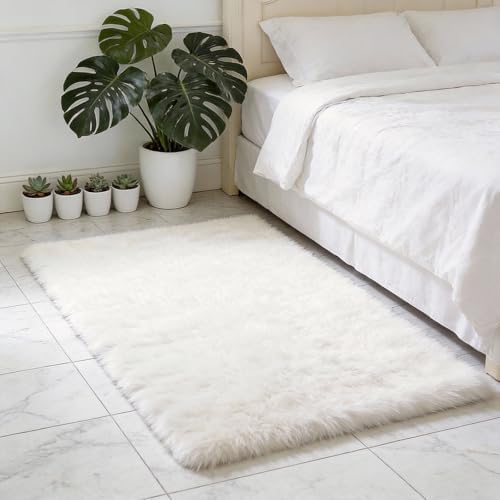
Even a small rug under the front legs of the chair makes the area feel like its own zone. In tiny rooms, a 2×3 or 3×5 can be enough.
2. A different wall vibe

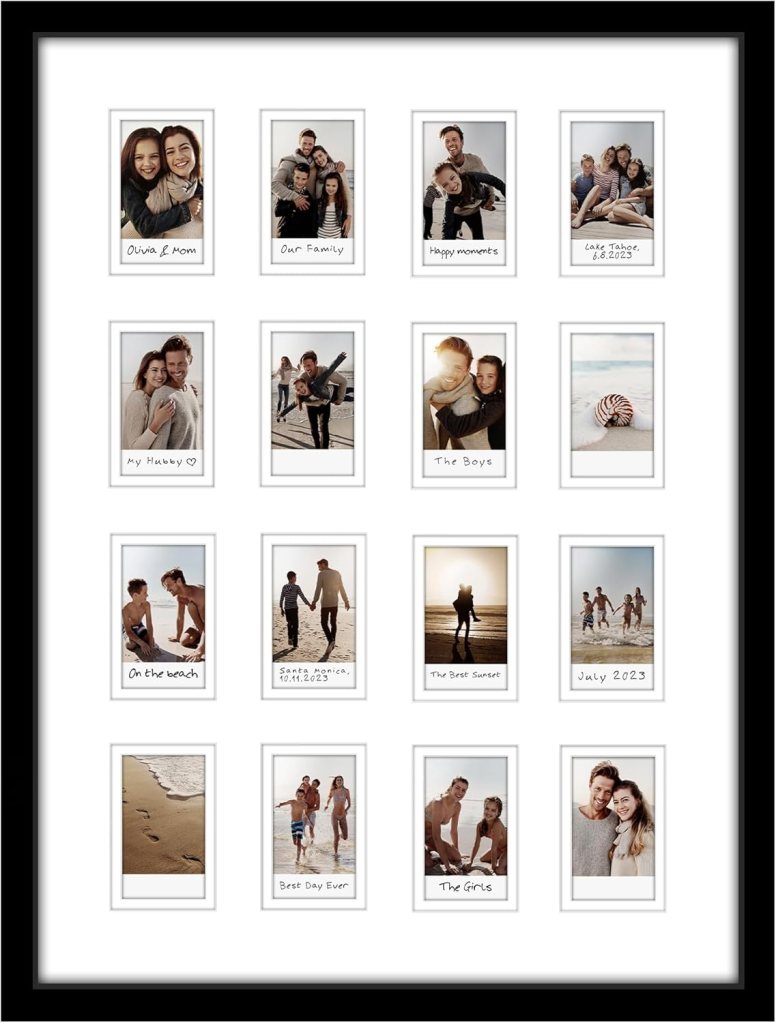
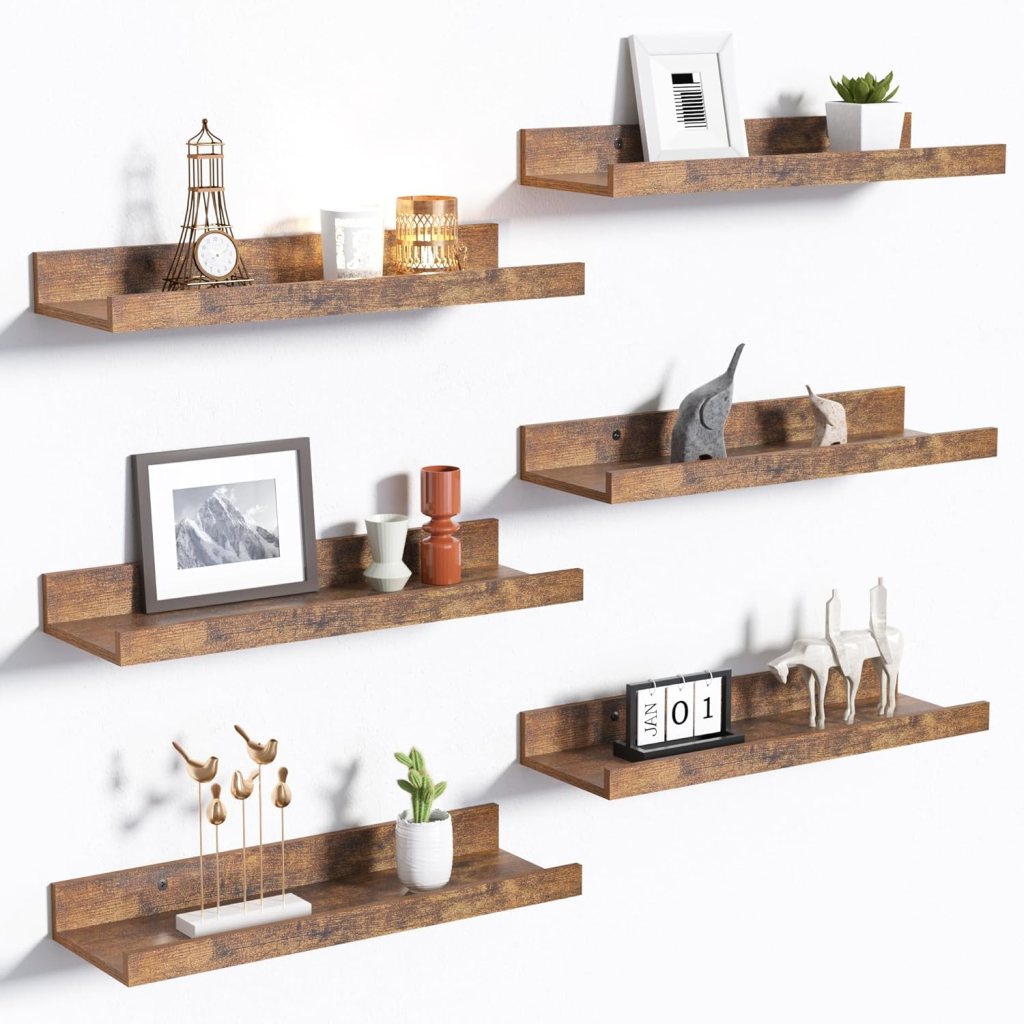
A small piece of art, a framed quote, a mini gallery wall, or even a wall shelf with a plant. Something that signals this spot is for reading.
3. A curtain or divider
If your layout is awkward, a light curtain on a ceiling track or a slim folding screen can separate the reading space. But keep it airy. Heavy dividers can make the whole room feel smaller.
4. A specific “reading blanket”
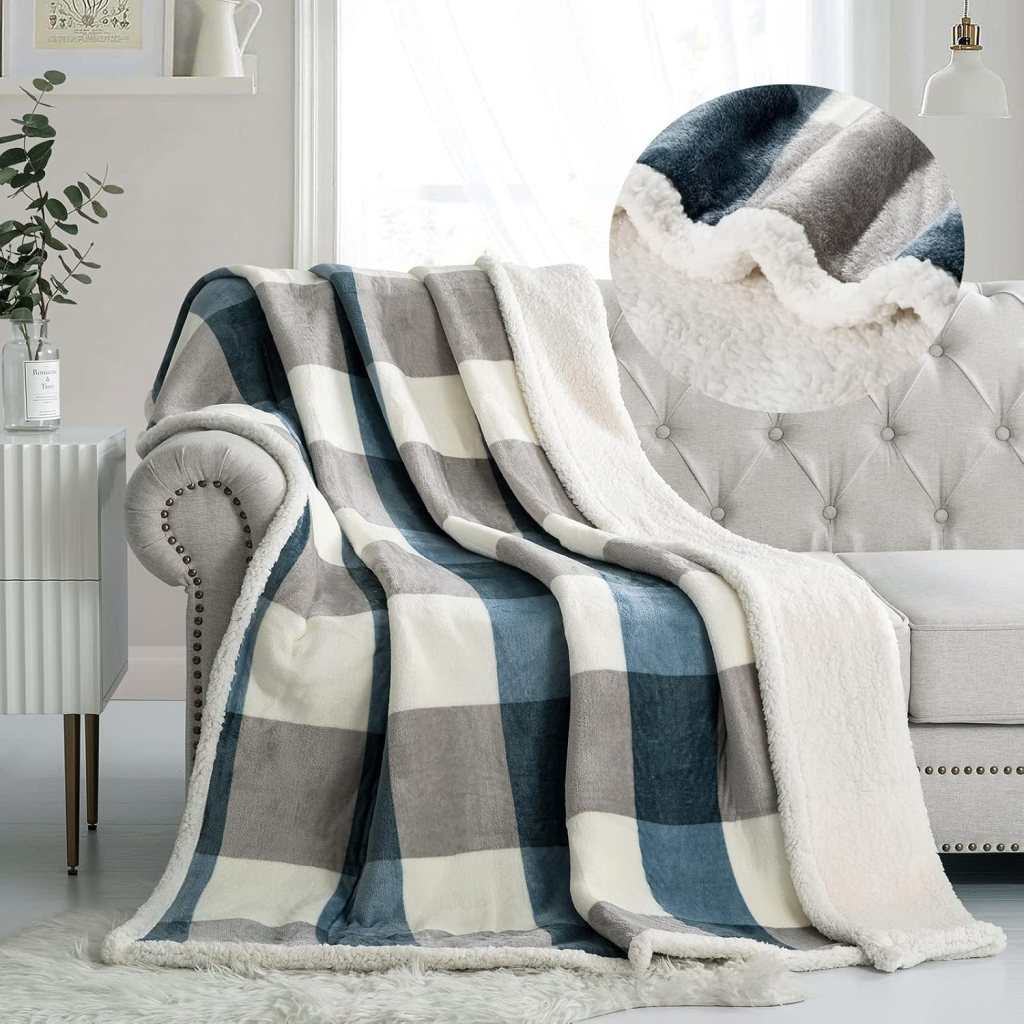
This might sound kinda silly at first, at least it did to me, until you actually try it. Just keep one throw blanket that always stays in your reading spot and nowhere else. It sort of turns into a little cue for your brain. After a while your body just learns it and goes, oh, okay, reading time.
Make it comfortable in the ways people forget
A cozy reading corner can look totally perfect and still feel kinda off. It’s usually because of these small little things:
Your feet don’t have support
If your feet are just hanging there, it feels weird. Add a footrest, a pouf, a small ottoman, or even a firm pillow. Seriously, having your feet supported changes everything.
Your neck gets tired
If you read paperbacks, you probably start to hunch without noticing. Try adding a pillow behind your upper back, or pick a chair with a higher back. Your neck will thank you, eventually.
The air feels stale
If you can, keep the corner near a window, or add a small quiet fan. Just because it’s cozy doesn’t mean it should be stuffy.
Noise
If your bedroom is loud, keep headphones in the corner. Or use a small white noise machine. Reading needs a little bubble.
Temperature
A tiny throw blanket and some warm lighting actually goes a long way, you’d be surprised. But if your room runs cold, like really chilly, keep thick socks nearby. Not glamorous at all, kind of the opposite honestly. But yeah, extremely effective.
Go small on storage, but make it easy
You want your reading nook to be low-friction, meaning you can sit down and start reading without hunting for things. In tight bedrooms, a few storage ideas that work well include a small basket under the chair for current reads, an under-bed bin for extra books if your bed has clearance, a hanging shelf pocket beside the chair, a slim rolling cart that can slide between the bed and wall, or a storage ottoman that holds blankets and books. Try to store only what supports reading and avoid random cables or old mail because if you put clutter there, the corner stops being restful.
If you don’t have space for a chair, here are real alternatives
Sometimes the room is just… not having it. That’s fine. You can still make a cozy reading corner with less.
Option 1 : The bedside reading nook involves upgrading your bed-reading setup so it feels intentional by adding a better reading light, a backrest pillow or wedge, a small tray for tea and books, and a dedicated book basket nearby. It’s still a reading corner, just bed-based.
Option 2 : Window seat vibe without construction involves placing a thick cushion or bench at the window, adding pillows and a throw. If the window area is narrow, even a sturdy storage bench can serve the purpose well.
Option 3 is a floor lounge setup that includes a thick rug, a large floor cushion, and either a wall sconce or clamp lamp. Adding a low tray table completes the arrangement, making it surprisingly cozy and very space-efficient.
Option 4 : If you have a deeper closet and can spare a section, you can create a mini reading nook with a cushion, a light, and a shelf. It can feel like a hideout. Not for everyone, but it’s a thing.
A quick layout cheat sheet (so you don’t overthink it)
If you’re feeling kinda stuck, here are a few simple combos that usually work in most small bedrooms.
The Minimal Corner has a slim chair, a wall sconce, and a floating shelf. Super basic but it does the job.
The Cozy Corner has a small armchair, a narrow C-table, a throw blanket with a pillow, and a warm floor lamp. It’s like, the classic curl up and read spot.
The Floor Nook is more low to the ground. It has a rug, a floor chair or cushion, a low tray table, and a clamp lamp. Sort of chill and relaxed, especially if you don’t have much space.
The Window Corner uses a storage bench, a cushion with two pillows, a small basket for books, and a light curtain for softness. Nice if you’ve got a window you actually like.
Just pick one that feels right and then build from there. You can always tweak it later.
The little finishing touches that make it feel like yours
This is the part people rush. But it’s also the part that makes you want to come back.
A few easy “identity” touches include stacking two or three books you genuinely want to read, not the ones you think you should. Add a scent you like, such as a candle, diffuser, or linen spray, but keep it light. Always put a bookmark and pen in the same place every time. Keep your current book visible, face up, like it’s waiting for you.
And honestly. Don’t aim for perfect. Aim for inviting.
Some days it will look messy. Some days you’ll sit there and stare at the wall instead of reading. Still counts.
A cozy reading corner in a small bedroom isn’t really about cramming in more furniture or anything like that. It’s more like making this little promise to yourself, a tiny spot just for you. A place where you slow down on purpose for a bit, even if the rest of your room is kind of busy and doing a lot.
So yeah, don’t wait around. Start putting together your perfect nook today and make your space actually feel like it’s yours.

 Lunara Studio
Leave a reply to How to Design a Soothing Soft Bedroom That Supports Your Slow Living Lifestyle – Lunara Studio Cancel reply